While waiting at the pharmacy counter to collect a prescription, my attention was drawn to a prominent display of probiotic supplements.
This occurred two years prior, during my intensive research into microbiomes and probiotics. I was thoroughly immersing myself in all available information, whether from books, academic articles, or retail outlets, in anticipation of publishing my book, The Microbiome: What Everyone Needs to Know.
Having dedicated several days solely to the study of probiotics, their immediate availability was quite striking.
The packaging was visually appealing, and its assertions were compelling, prompting me to pick up a box to examine its claims more closely.
“Facilitates gut health.” “Beneficial microorganisms.”
At the time, I was scheduled to receive antibiotics for my tonsillitis. The question arose: should I also consider probiotics? I had encountered information suggesting they might help replenish the beneficial gut bacteria potentially depleted by antibiotic treatment.

The pharmacist, who recognized me due to my recent throat examination for the prescription and my role as a local general practitioner, offered an encouraging acknowledgment and gestured towards the display.
“These are quite popular,” he commented.
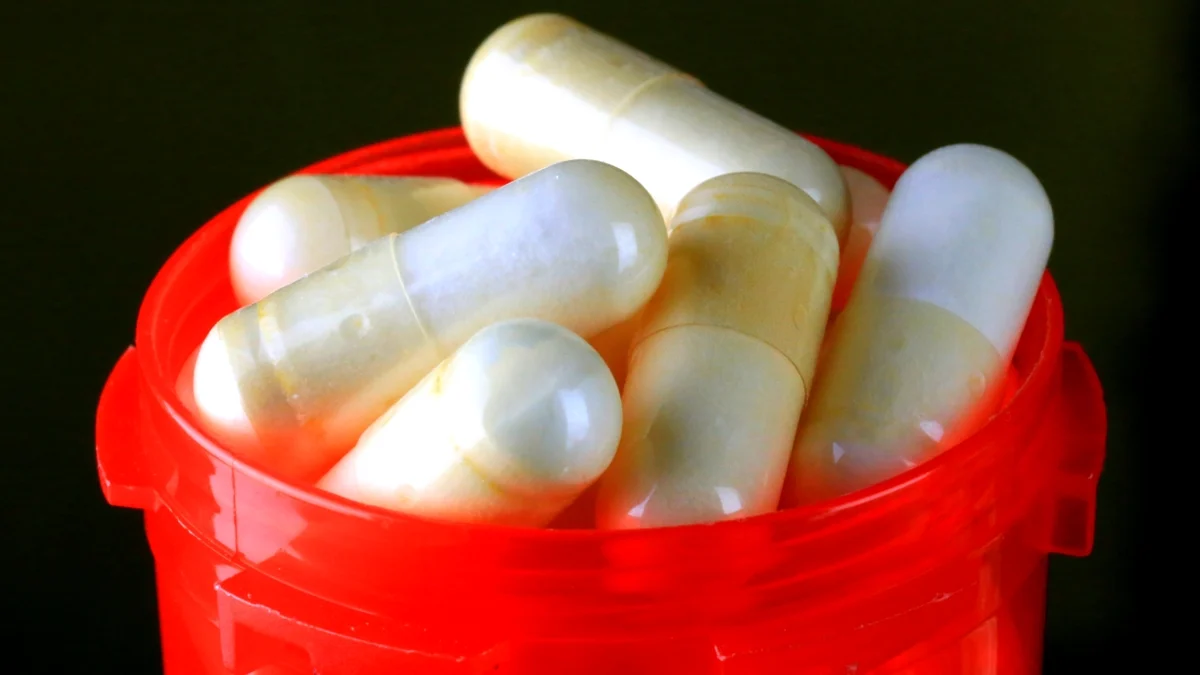
Upon reviewing the product information, the packaging was most effective in detailing its contents. Each box contained thirty daily capsules, with each capsule housing 5 billion live cultures.
A comparison with other products on the shelf revealed variations, with some offering 2 billion and others 10 billion live cultures. One product listed an impressive 25 billion bacteria per capsule. This wide disparity in dosage raised questions about safety.
The precise definition of “live cultures” remained somewhat ambiguous, with descriptors such as “trusted” or “friendly” being used. Higher-dosage formulations were marketed with terms like “diverse” or “powerful,” evoking corporate rather than nutritional supplement branding.
Regarding their purported benefits, the descriptions became notably vague. Probiotics were generally stated to “enhance your natural gut flora” or, more broadly, to “support your daily well-being.”
While I waited for the pharmacist to prepare and label my medication, I continued to scrutinize the product details.
Each brand expressed strong confidence in its ability to withstand stomach acidity and in the research supporting their products, using phrases like “most extensively studied live culture” and “highly researched strains.” While I did not doubt the research itself, the absence of specific efficacy claims was perplexing.
The actual ingredients were eventually located. Each product listed a variety of bacterial combinations, some featuring up to 15 distinct types, invariably including several strains of lactobacilli and bifidobacteria.
I recognized Lactobacillus acidophilus as a bacterium integral to yogurt production. Bifidobacteria are also commonly employed in the food sector. Both are typical residents of the human gut, collectively accounting for approximately 12% of our standard intestinal microbial population.
This then begs the question: why do probiotic formulations consistently feature the same bacterial species? And why are their claims consistently so deliberately understated?
Approximately one in twenty adults currently use probiotics, with a tendency for these individuals to possess higher educational attainment, greater financial resources, and more refined dietary habits. A more comprehensive understanding of microbial science might influence this preference.
It is common to ingest a significant quantity of bacteria through our food. Even with meticulously washed or cooked food items, a typical daily intake can amount to 1.3 billion bacteria, either present on or within our meals.
Upon contact with stomach acid, the vast majority of ingested bacteria are either neutralized or damaged. Only a small fraction successfully reaches the colon, and these surviving probiotic bacteria typically persist for only a few days.
However, ingesting a probiotic capsule containing 25 billion bacteria represents a microbial load twenty times greater than what the body is accustomed to processing. Even purportedly “beneficial” probiotic bacteria can pose a risk of serious infection if they enter inappropriate bodily systems, such as the bloodstream.
It is important to note that most individuals can manage this substantial microbial burden effectively due to their intrinsic gut defense mechanisms. Nevertheless, probiotics should be cautiously approached or avoided by those with compromised immune systems, as they may have a reduced capacity to contain these microorganisms, increasing the risk of systemic spread and infection.
The reason that probiotic manufacturers consistently select the same specific microbes from the vast array of global bacteria is rooted in the fact that these are all bacteria that have been recognized as safe or utilized in food production prior to 1958.
When a microorganism is officially classified as “Generally Recognized As Safe” (GRAS), manufacturers are absolved from conducting further research. Furthermore, if these manufacturers adhere to generalized claims of effectiveness, often termed “qualified health claims,” they are not required to scientifically validate their efficacy.
Despite the absence of explicit efficacy assertions, the probiotic industry appears adept at conveying its message. As I held the probiotic box, I still harbored a strong conviction that the product would be beneficial, enhance my health, and warrant a purchase.
Hesitantly, I held the box. “Would you like these as well?” the pharmacist inquired.
I reviewed the price: £17.99 for 30 low-dose probiotic capsules, for a substance already naturally present within me from consuming regular food. I opted to proceed solely with the antibiotic prescription, priced at £9.90.
Therefore, the question remains: do probiotics yield tangible benefits?
I have adopted a practice of responding with careful wording when this question is posed. Individuals who inquire, typically with enthusiasm and a positive demeanor, often have a vested interest in the concept of probiotics and are likely already incorporating them into their regimen.
To avoid causing offense, I now commonly respond with: “Well, they have likely not caused you any harm.”
Beyond the financial expenditure.