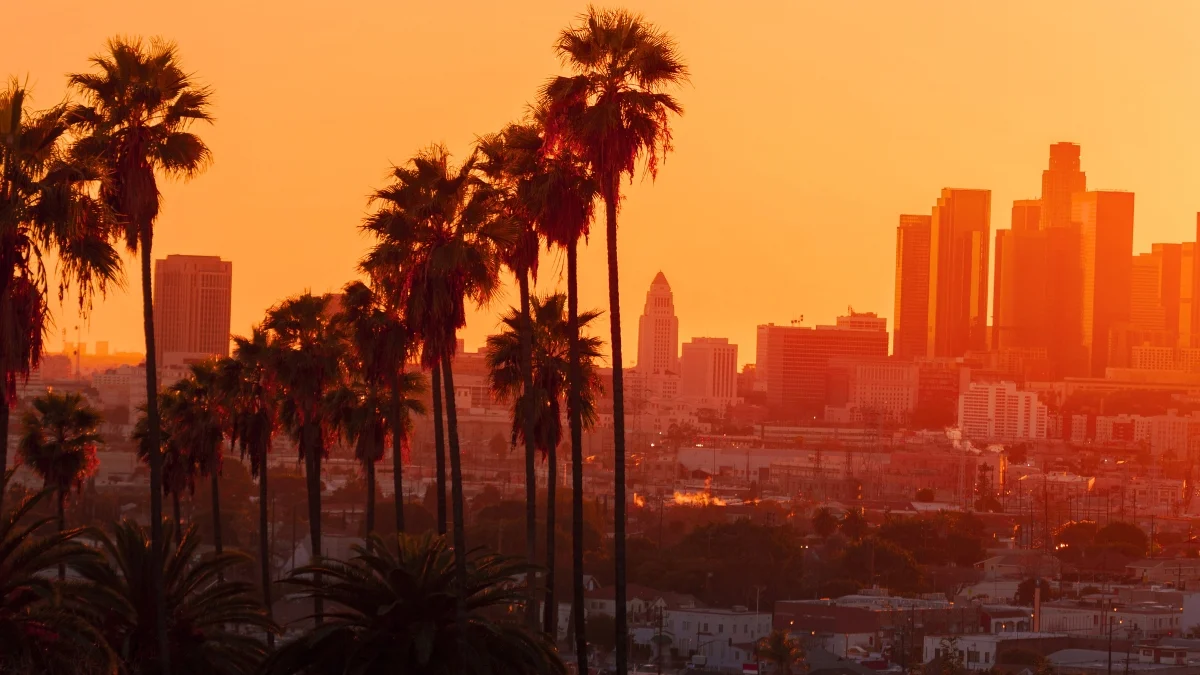
Urban environments typically exhibit temperatures that are 1–3°C higher than their adjacent rural surroundings. This phenomenon stems from the thermal properties of materials like asphalt, concrete, and brick, which absorb solar radiation and then slowly re-emit it.
In certain metropolitan areas, this temperature differential can be as substantial as 7°C. This amplified heat effect is widely recognised as the urban heat island effect.
Such elevated temperatures pose significant health risks, particularly in warmer climates, where dehydration and heat exhaustion become considerable threats.
Under extremely hot conditions, the situation can escalate to a life-threatening level.
A fundamental solution to mitigate this issue lies in the strategic implementation of urban trees. Municipalities globally have been actively engaged in tree-planting initiatives to combat escalating heat.
However, the efficacy of these measures warrants careful consideration. To what extent do trees counteract urban warming, and how much warmer would our cities be in their absence?
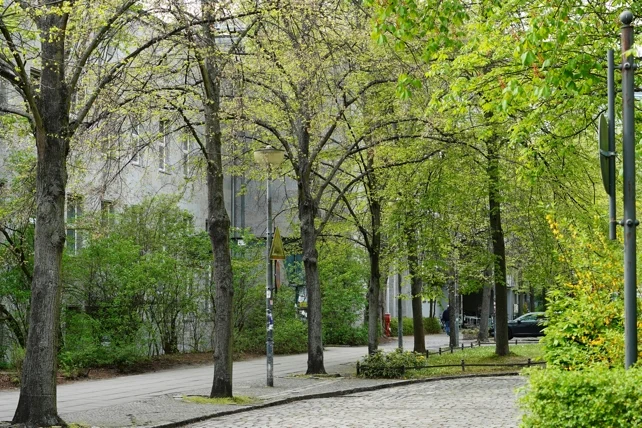
To address this query, a comprehensive analysis was conducted utilizing data from nearly 9,000 cities worldwide, encompassing a population of approximately 3.6 billion individuals.
Our recent research indicates that urban trees effectively reduce the heat absorbed by the urban heat island effect by nearly half.
While this cooling effect is beneficial, its distribution is notably uneven. Affluent, suburban, and humid cities tend to feature a greater abundance of trees on average.
The Rationale Behind Focusing on Trees
Trees function as formidable natural cooling mechanisms. They provide shade, thereby preventing surfaces like asphalt and buildings from absorbing excessive solar heat.
Furthermore, through the process of transpiration, they release water vapor from their leaves, which cools the ambient air and lowers surrounding temperatures. This effect can lead to a discernible temperature reduction, particularly during intensely hot summer periods.
The integration of trees offers a straightforward method for mitigating urban heat. This is critically important, as the United Nations reports that more than half of the global population (55%) now inhabits urban areas.
This proportion is projected to increase to 68% by 2050. Concurrently, cities are confronting increasingly severe heatwaves due to the escalating effects of climate change, which exacerbate the urban heat island phenomenon and contribute to higher temperatures.
Methodology Employed
Our investigation sought a direct answer to a straightforward question: to what extent would cities be warmer in the absence of trees?
To ascertain this, we performed an analysis of global datasets pertaining to air temperature and finely detailed tree canopy coverage across almost 9,000 urban centers. Subsequently, a hypothetical scenario was modelled, positing the complete removal of all tree cover, and this was then compared against current environmental conditions.
This approach enabled an estimation of the tangible cooling impact provided by trees on air temperature, which is the primary determinant of perceived heat.
Many prior global studies have relied on surface temperature data, frequently derived from satellite imagery. However, surfaces such as roads and rooftops can attain significantly higher temperatures than the air immediately above them, especially under direct sunlight, potentially leading to an overestimation of the cooling benefits provided by trees.
In contrast, air temperature provides a more accurate reflection of human thermal comfort, thus serving as a more reliable metric for evaluating heat.
The Actual Impact of Trees
The observed effect surpassed our initial expectations.
On a global scale, trees effectively diminish the urban heat island effect by approximately 50%. Given that the typical urban heat island effect accounts for an increase of about 1–3°C, this translates to a cooling effect of roughly 0.5–1.5°C in numerous cities.
For over 200 million individuals, the presence of trees leads to a reduction in local air temperatures of at least 0.5°C, a magnitude sufficient to yield a discernible difference during periods of extreme heat.
The degree of cooling can exhibit considerable local variability.
In arid, high-temperature cities like Phoenix in the United States, variations in tree cover are directly correlated with demonstrable differences in air temperatures. In more temperate locales, such as Lisbon, Portugal, or Gothenburg, Sweden, the overall cooling effect remains significant, albeit generally less pronounced and more uniform across the urban landscape.
Uneven Distribution of Urban Trees
The distribution of trees within urban areas is not uniform; they are frequently concentrated in more affluent neighborhoods and suburban districts. Cities situated in cooler or more humid climatic zones tend to possess a greater density of trees.
Conversely, trees are less prevalent in lower-income urban areas or in regions experiencing rapid expansion. This disparity is evident in many cities, where well-treed suburban areas are typically several degrees cooler than adjacent neighborhoods with minimal vegetation.
A strong correlation exists with socioeconomic status. In the United States, lower-income communities have, on average, 15% fewer trees than their wealthier counterparts, resulting in temperatures that are 1.5°C higher. This indicates that those who would benefit most from the natural cooling provided by trees are often the least likely to have access to it.
Tree Planting Alone is Insufficient
It is understandable that authorities consider urban trees a primary strategy for mitigating the heat generated by escalating climate change. The immediate and palpable sensation of coolness experienced under a tree on a sweltering day underscores their perceived effectiveness.
However, our study suggests that their capacity to counteract the impacts of climate change is somewhat limited. It is estimated that the world’s existing urban trees will offset only about 10% of the additional heat anticipated by mid-century under moderate climate change projections. Through ambitious tree-planting efforts, this figure could potentially rise to approximately 20%.
While crucial, these efforts are not a comprehensive solution, leaving a substantial portion of the projected heat increase unaddressed.
Alternative and Complementary Strategies
For global cities to effectively adapt to rising temperatures, trees must be integrated into a broader strategic framework, rather than being viewed as the sole solution.
Ingenious urban design principles, incorporating reflective materials, expanding green spaces, and optimizing airflow between structures, can significantly reduce heat. Additionally, the implementation of green roofs and shaded streetscapes can contribute to a cooler urban environment.
New tree-planting initiatives should prioritize hotter neighborhoods with limited existing tree canopy, as these areas stand to gain the greatest benefits.
It is essential to acknowledge that these urban-specific measures do not supersede the imperative to directly address climate change by curtailing greenhouse gas emissions.
Strategic Utilization of Trees
Billions of trees populate the world’s cities, offering invaluable benefits that extend beyond urban cooling to include the support of biodiversity and the enhancement of urban livability.
The challenge for city dwellers and administrators alike is to deploy these arboreal resources judiciously. This involves planting them in areas of greatest need and integrating their benefits with other heat-reduction strategies.
Trees are remarkably beneficial, but they cannot single-handedly resolve all urban challenges.