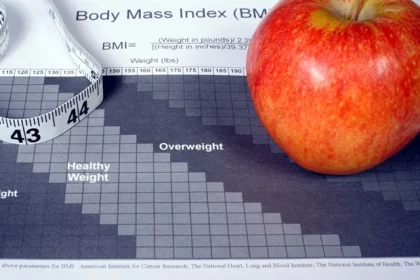
A recent investigation undertaken at the University of Jyväskylä delved into the affective responses elicited by physical exertion and the drivers of exercise participation across various weight strata. The research indicated that individuals classified as obese report experiencing a diminished degree of positive emotions during physical activity when contrasted with those maintaining a normal weight. The lead researcher advocates for the integration of pleasure and enjoyment into exercise guidance strategies focused on weight management.
Bodily movement serves a pivotal function in the mitigation and therapeutic management of obesity and the associated chronic health conditions. Concurrently, however, global trends reveal a discernible decline in engagement with physical activity. Among individuals grappling with obesity, a deficit in motivational impetus has been identified as a primary impediment to maintaining an active lifestyle, despite a scarcity of in-depth inquiry into this particular domain.
Affective Responses to Exercise Differentiate Across Weight Categories
Within a research framework established at the Faculty of Sport and Health Sciences at the University of Jyväskylä, scholars scrutinized how emotional outcomes during exercise and exercise motivation manifest with variations in body mass index (BMI), and the extent to which these elements elucidate physical activity patterns. The empirical evidence gathered demonstrated that individuals with obesity perceived significantly fewer agreeable emotions during their workouts, encompassing feelings of satisfaction, physical fortitude, and self-satisfaction, in comparison to their normal-weight counterparts.
These discoveries hold considerable significance as emotional experiences possess the capacity to exert a pronounced influence on exercise motivation and subsequently shape enduring patterns of physical activity. Individuals naturally gravitate towards pursuits that yield positive emotional states and shy away from those that engender adverse feelings. This principle also extends to the realm of physical activity.”
Ella Hellsten, doctoral researcher
Internal Drivers of Motivation Foster Sustained Physical Activity
Furthermore, the study revealed that individuals with obesity exhibited a reduced propensity to engage in physical activity driven by the pursuit of enjoyment. Instead, motivations centered on physical appearance and body image appeared to hold greater sway among the obese demographic when juxtaposed with those of normal weight.
“It appears that for individuals with obesity, their physical activity is more frequently propelled by external stimuli rather than by innate desires,” Hellsten posits. “Nevertheless, intrinsic motivation is well-established as being more closely correlated with sustained and consistent physical activity engagement.
“While extrinsic motivators can play a role in initiating physical activity, the maintenance of habitual exercise over the long term hinges more significantly on internal drive and the inherent pleasure derived from the activity itself.”
Integrating Enjoyment into Exercise Guidance
The research findings underscored that positive emotional states and internal motivational factors collectively serve as predictors for both the volume of physical activity undertaken and individuals’ intentions to participate in exercise in the future.
“These insights hold practical applicability within healthcare settings and for exercise counseling services, facilitating the creation of tailored intervention plans aimed at preventing obesity and its attendant comorbidities,” Hellsten elaborates. “Giving consideration to how physical activity can be rendered more gratifying is of paramount importance. We are presently engaged in a collaborative effort with the Sports and Exercise Medicine Outpatient Clinic at Hospital Nova.”
The research initiative received financial backing from a project spearheaded by University Lecturer Satu Pekkala, supported by the Research Council of Finland.
Hellsten, E., et al. (2026). The Role of Affective Experiences and Exercise Motivation as Predictors of Physical Activity Intentions Among Individuals With Overweight and Obesity. Obesity Science & Practice. DOI: 10.1002/osp4.70138. https://onlinelibrary.wiley.com/doi/10.1002/osp4.70138