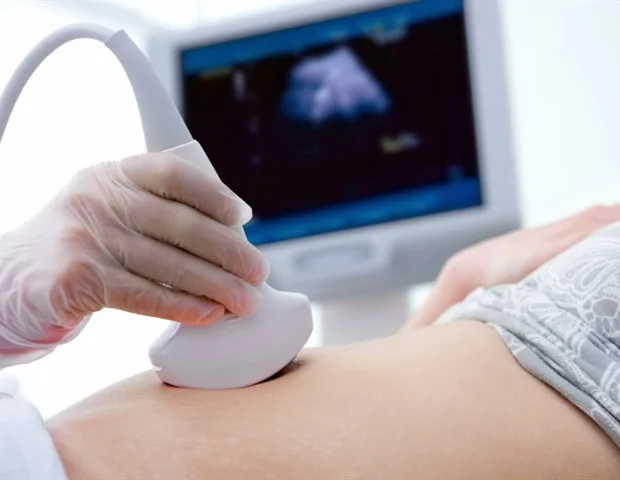
For numerous decades, medical imaging procedures have predominantly employed ultrasound for diagnostic purposes, commonly recognized as routine scans performed in clinical settings to visualize internal organs, tissues, or prenatal development. However, an emerging paradigm is now shifting the perspective on ultrasound’s capabilities. Groundbreaking discoveries by investigators at the Kaunas University of Technology (KTU) indicate that ultrasound waves possess the potential to do more than just image the body’s interior; specifically, low-frequency ultrasound has demonstrated a direct impact on blood circulation. This revelation could pave the way for novel therapeutic strategies for conditions such as cardiovascular ailments, Alzheimer’s disease, and diabetes, potentially diminishing reliance on conventional invasive interventions or pharmaceutical treatments in the future.
A particularly noteworthy observation for the research team was the multifaceted nature of ultrasound’s effect on blood. Their extensive investigation revealed that diverse sound frequencies can elicit opposing responses in erythrocytes, the body’s red blood cells, either promoting their aggregation into clusters or facilitating their dispersal into individual units.
A Non-Invasive Modality for Enhancing Oxygenation Efficiency
Erythrocytes, commonly referred to as red blood cells, inherently exhibit a tendency to form reversible aggregations, termed aggregates. This physiological phenomenon influences blood viscosity, a critical determinant of circulatory efficiency and the systemic transport of oxygen throughout the organism.
Under the influence of high-frequency ultrasound, erythrocyte aggregation leads to an escalation in blood viscosity, potentially elevating blood pressure and pulse rate, thereby compromising oxygen exchange efficacy.”
Vytautas Ostaševičius, Principal Investigator, KTU Professor
The researchers ascertained that high-frequency ultrasound generates stationary acoustic waves, which effectively guide erythrocytes towards zones of reduced pressure, thereby fostering their aggregation.
Conversely, low-frequency ultrasound is associated with the generation of propagating acoustic waves. These waves induce shear forces that effectively de-aggregate clustered erythrocytes, separating them into individual cells.
Experimental outcomes conclusively demonstrated that low-frequency ultrasound possesses the capacity to dissociate erythrocyte aggregates into singular units. According to Ostaševičius, the Director of the KTU Institute of Mechatronics, “To the best of our knowledge, this specific effect has not been previously documented.”
The spatial separation of erythrocytes results in the formation of interstitial spaces between them, a phenomenon that reduces blood viscosity. Consequently, the entire surface area of each cell becomes available for participation in oxygen exchange processes.
The conceptualization of this research initiative was spurred by the COVID-19 pandemic, a period characterized by an intensified search for non-invasive methods to provide support to patients experiencing severe respiratory complications.
Ostaševičius elaborated, “During that critical juncture, there was an urgent demand for therapeutic interventions that could swiftly benefit patients without the necessity of pharmacological agents. Our interest was piqued by the potential of ultrasound to augment the interaction between hemoglobin and oxygen within the pulmonary system.”
To thoroughly examine this hypothesis, the investigative team meticulously divided blood samples from participants into hundreds of individual aliquots. These samples were subsequently subjected to ultrasound at varying intensities, revealing intricate patterns of erythrocyte dissociation. In their exploration of ultrasound propagation within biological tissues, the team leveraged digital twin methodologies to engineer a low-frequency ultrasound transducer. This device is capable of transmitting acoustic signals to depths approximately four times greater within biological tissues compared to conventional instrumentation. This pioneering technology has since been secured through an international patent.
Prospective Therapeutic Avenues in Alzheimer’s Disease and Diabetes Management
While the technological development is still in its nascent stages of investigation, the researchers harbor a strong conviction that low-frequency ultrasound could ultimately find widespread application across various medical disciplines where circulatory function and oxygen supply are paramount.
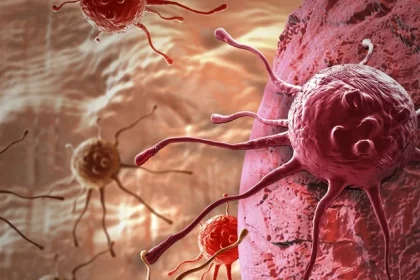
One domain under active exploration is oncological therapy. Given that tumorous tissue often exhibits reduced mechanical resilience compared to adjacent healthy tissues, propagating acoustic waves are being investigated as a potential means to selectively target and influence neoplastic structures. It is crucial to note that this particular concept remains in its preliminary phases of research.
Ostaševičius highlighted, “Hypoxia within tumor microenvironments continues to represent a significant obstacle in cancer treatment paradigms. Enhancing localized oxygen delivery to affected tissues could potentially amplify the efficacy of specific therapeutic regimens.”
Furthermore, the researchers perceive significant promise in the therapeutic management of Alzheimer’s disease. This approach is being considered as a potential future strategy for temporarily facilitating the transient opening of the blood-brain barrier, which could, in subsequent phases, enable more precise targeted drug delivery to cerebral tissues.
According to Professor Ostaševičius, the technology might also offer substantial benefits in the management of diabetic foot ulcers, where compromised circulation severely impedes wound healing processes. He stated, “Through the application of ultrasound, it may become feasible to enhance blood flow within the affected tissues.”
Additional prospective applications include the precise delivery of therapeutic agents and adjunctive therapies designed for the management of cardiovascular and pulmonary conditions.
Despite the experimental nature of this technology, the research fraternity is confident that their discoveries significantly expand the perceived utility of ultrasound beyond its conventional diagnostic role. Ostaševičius concluded, “Our research unequivocally demonstrates that ultrasound can exert mechanical influence on blood characteristics. This opens up new horizons for the development of future non-invasive therapeutic modalities that may, at some point, serve as valuable complements to established medication-based and surgical interventions.”
Ostasevicius, V., et al. (2026). Advances in Ultrasonic Rehabilitation. Sensors. DOI: 10.3390/s26082428. https://www.mdpi.com/1424-8220/26/8/2428