Recent media reports, including one from the BBC, have suggested that beer might offer an unexpected health advantage.
This potential revelation is likely to be met with enthusiasm by patrons of public houses and breweries nationwide.
However, it is pertinent to examine the specific findings of the study underpinning the BBC’s report and assess its validity.
The research investigation, which was formally published in the Journal of Agricultural and Food Chemistry, aimed to quantify the presence of vitamin B6 in both non-alcoholic and standard-strength brews. Vitamin B6 is recognised as a vital nutrient integral to numerous bodily functions; however, the way in which these findings have been presented raises concerns.
While the reported figures might be factually accurate, their contextualization renders them potentially misleading. To assert that a single serving of beer contributes 15% of the recommended daily intake of vitamin B6, for instance, is an impressive claim on the surface but fails to acknowledge the broader nutritional landscape.
A significant portion of the populace in the United Kingdom does not experience a deficiency in vitamin B6. Furthermore, equivalent or even greater quantities of this nutrient can be readily acquired through a balanced and conventional diet. A variety of food items, such as tubers, legumes, fortified breakfast cereals, grains, meats, and a wide array of vegetables, are abundant sources of vitamin B6, entirely independent of alcohol consumption.
The research paper also draws a connection between vitamin B6 and crucial neurological processes, yet it does not adduce evidence to support the assertion that consuming beer significantly enhances cognitive well-being.
The document correctly acknowledges that vitamin B6 plays a role in the synthesis of neurotransmitters like serotonin and dopamine, and it confirms that beer contains detectable levels of this vitamin.
Nevertheless, the inference that beer consequently provides a “brain-boosting” effect is problematic and lacks robust substantiation.

The study’s methodology did not encompass any measurements of neurological health indicators, such as cognitive function, mood alterations, or specific neurological impacts. Consequently, any conclusions drawn regarding brain health enhancement are not supported by the empirical data presented. The vitamin B6 content derived from beer is relatively modest, and this particular narrative completely disregards the well-documented adverse effects intrinsically linked to alcohol ingestion.
The specification of serving sizes also presents an area of concern. The study references “a serving,” and in some instances, quantities reaching up to a litre. Regular consumption at such volumes would unequivocally contravene the guidelines issued by the NHS concerning responsible alcohol intake.
A typical serving size of half a litre was found to supply approximately 13-16% of the daily requirement for vitamin B6. For a beverage to qualify for a health claim under the terms of European regulations, it would need to provide roughly an entire day’s worth of vitamin B6 within a standard pint measure.
None of the beer varieties subjected to analysis in this particular study approached such a threshold.
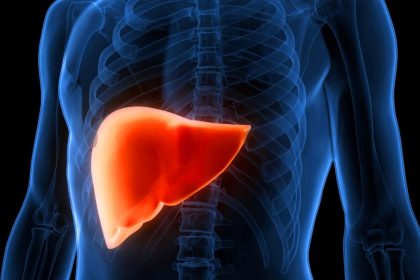
Furthermore, the research does not sufficiently underscore the detrimental consequences of alcohol consumption, which encompass risks to hepatic (liver) and cerebral (brain) health, as well as an elevated probability of developing certain cancers. In acknowledgement of these inherent dangers, the World Health Organization explicitly states that no level of alcohol consumption can be deemed safe.
While this perspective is acknowledged within the research paper, the emphasis placed on a minor vitamin contribution without a comprehensive balancing against these established risks is undeniably misleading.
When beverage manufacturers leverage studies of this nature to imbue their products with an aura of healthfulness, they are prioritizing commercial interests over public well-being. At worst, such practices could inadvertently encourage increased alcohol consumption.

This is by no means the inaugural instance where narratives concerning the purported health benefits of alcoholic beverages have permeated media coverage. The persistent notion that partaking in a daily glass of red wine is beneficial for cardiovascular health stands as a particularly enduring illustration.
Although this particular assertion possesses some grounding in scientific inquiry, it is currently a subject of considerable debate.
The prevalent belief largely stems from what is termed the “French paradox.” This concept emerged following observations indicating that populations in France exhibited comparatively low incidences of heart disease, despite dietary patterns characterized by ample saturated fat intake and regular alcohol consumption.
Red wine, in particular, has been theorized to confer certain health advantages due to its content of natural compounds known as polyphenols – with a specific emphasis on resveratrol – which possess antioxidant properties and contribute to cellular protection within the body.
Subsequent research, however, has introduced significant reservations regarding these claims. Investigators have highlighted that extraneous variables, such as personal dietary habits, levels of physical activity, and access to medical care, may have exerted an influence on the observed outcomes.
Concurrently, there has been a broader re-evaluation of alcohol’s physiological effects, with an expanding body of evidence suggesting its potential to escalate health risks, most notably in relation to specific forms of cancer.
Collectively, these factors contribute to an understanding of a phenomenon referred to as the “healthy user effect.”
Superficially, epidemiological data may suggest that moderate alcohol consumption could exert a protective effect. Certain studies have indeed reported lower rates of cardiovascular disease among individuals who consume alcohol in moderation compared to those who abstain entirely.
However, correlational data, by its very nature, can only indicate associations rather than establish definitive causation.
In actuality, individuals who drink wine in moderation often exhibit distinct lifestyle characteristics compared to non-drinkers. On average, they tend to adhere to healthier dietary regimens, engage in more frequent physical activity, possess greater financial resources, maintain more extensive social networks, and seek medical attention more regularly.
Each of these contributing factors, in isolation, serves to diminish the risk of cardiovascular disease and stroke. When these confounding elements are not adequately accounted for in research, alcohol itself can be erroneously perceived as the beneficial agent.
When the totality of scientific evidence is taken into consideration, particularly research establishing links between alcohol consumption and the development of cancer, liver ailments, and mental health disorders, the majority of expert reviews conclude that any potential positive effects are marginal and likely overshadowed by the associated health hazards.
The nutritional contributions of both beer and wine are indeed present, but they are minimal and unlikely to yield tangible improvements in overall health.
Nutrients such as polyphenols, antioxidants, vitamins, and minerals can be procured more safely and reliably from an abundance of whole foods, including fruits, vegetables, whole grains, legumes, olive oil, and other unprocessed items, thereby circumventing the inherent risks associated with alcohol consumption.