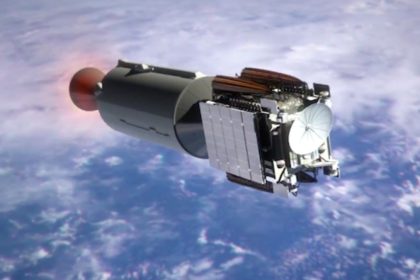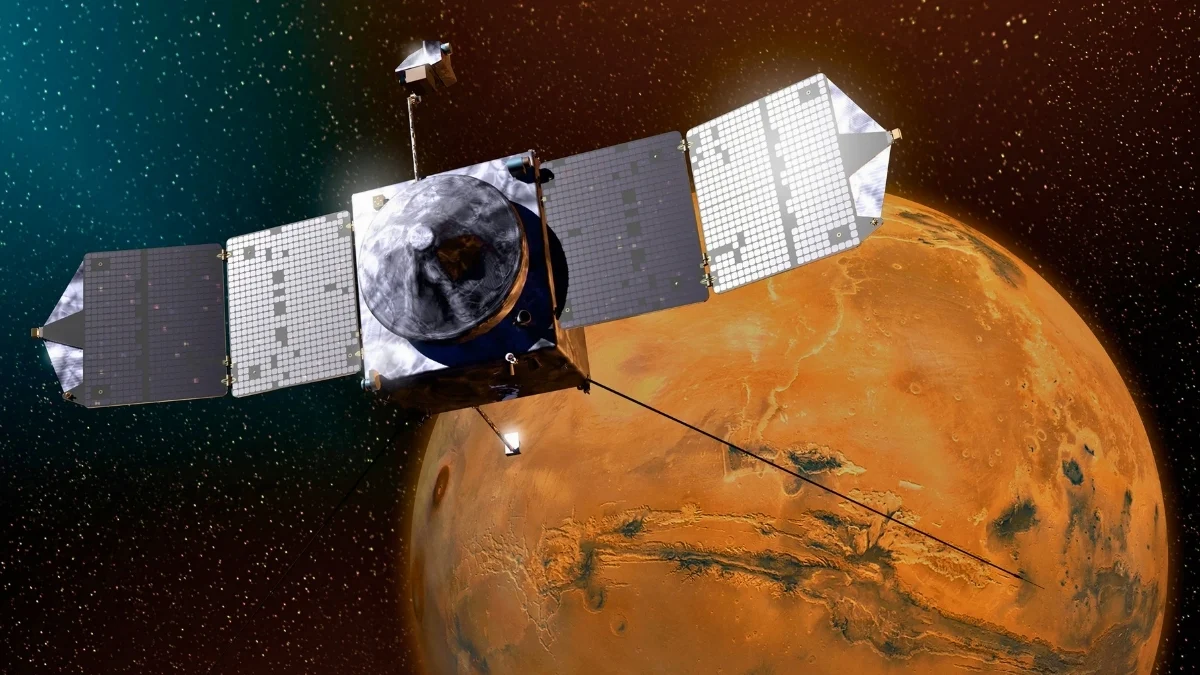
Following a period of six months without communication, NASA has officially confirmed the demise of its MAVEN spacecraft, which had been orbiting Mars.
The space agency announced on Wednesday the conclusion of the mission, which had been actively gathering data for over a decade.
Mike Moreau, the project manager for NASA, conveyed the sentiment of the team, stating, “With the mission’s cessation, the team truly experienced the emotional impact akin to losing a cherished individual.”
This orbital probe was initially deployed in 2013 with the primary objective of investigating the Martian atmosphere from its orbital position.
MAVEN ceased transmitting in early December under unexplained circumstances, shortly after traversing the planet’s far side.
Analysis of the telemetry suggested that the spacecraft entered a rapid rotation, which consequently destabilized its trajectory and depleted its onboard energy reserves.
A review panel, established by NASA earlier this year, determined that the spacecraft is beyond recovery and no longer functional.
It is projected to continue its orbital path for an additional 50 to 100 years before its eventual re-entry into the planet’s atmosphere, posing no risk to other operational spacecraft during this extended period.
An ongoing inquiry is dedicated to ascertaining the root cause of the anomaly.
This spacecraft had been instrumental in studying atmospheric phenomena on Mars and notably documented the passage of a rogue interstellar comet in the preceding year.
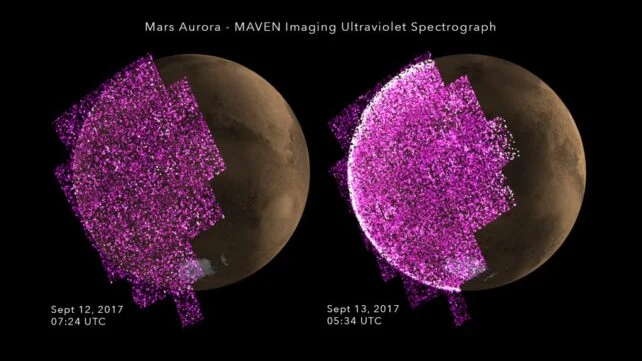
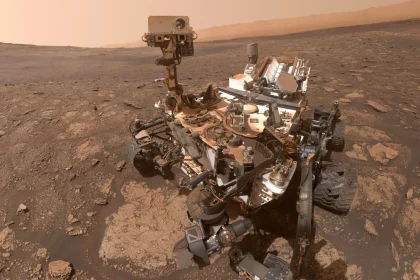
Furthermore, MAVEN played a crucial role in facilitating communication for NASA’s surface-based rovers, Curiosity and Perseverance.
According to NASA officials, the functionalities previously managed by MAVEN will be assumed by four other spacecraft currently in Martian orbit—two American and two European satellites—ensuring no disruption to the scientific objectives of the surface missions.
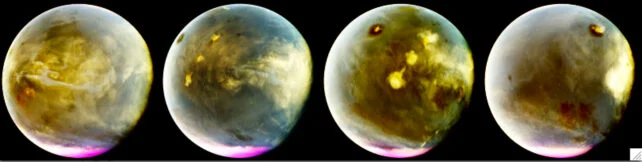
Shannon Curry, the lead scientist for MAVEN at the University of Colorado Boulder, emphasized that the probe significantly enhanced the scientific community’s comprehension of the Martian atmosphere and its evolutionary processes.
“The entire team is profoundly saddened by this outcome,” Curry stated.
“However, concurrently, we are immensely proud of the scientific achievements we have realized over the preceding decade.”