Some Canadian physicians initiated a unique therapeutic approach several years ago, involving the ‘prescription’ of art, which granted patients complimentary access to regional cultural institutions.
The underlying premise was that immersing oneself in artistic creations and contemplative engagement with visual works could contribute to enhanced well-being, encompassing both physical and psychological health indicators.
Recent scholarly findings originating from the United Kingdom lend considerable weight to this unconventional prescription, suggesting that artistic pursuits genuinely possess the capacity to influence key biological markers associated with the aging process.
Researchers affiliated with University College London (UCL) have ascertained that participating in a weekly arts or cultural activity may decelerate the rate of biological aging to a comparable extent as engaging in physical exercise on a weekly basis.
The long-held tenet that ‘art is synonymous with life’ appears to be substantiated by emerging scientific evidence.
“Our research presents pioneering corroboration for a correlation between engagement with the arts and cultural spheres and a diminished tempo of biological senescence,” stated senior author and epidemiologist Feifei Bu from UCL.
This investigation builds upon an expanding corpus of evidence regarding the salutary effects of the arts, which have demonstrated efficacy in mitigating stress, reducing systemic inflammation, and improving risk factors for cardiovascular ailments – effects mirroring those typically attributed to physical exertion.
The investigative team meticulously examined the health profiles of over 3,500 UK adults, incorporating multiple epigenetic clocks designed to estimate biological age, alongside data on the frequency of participants’ involvement in artistic or cultural pursuits.
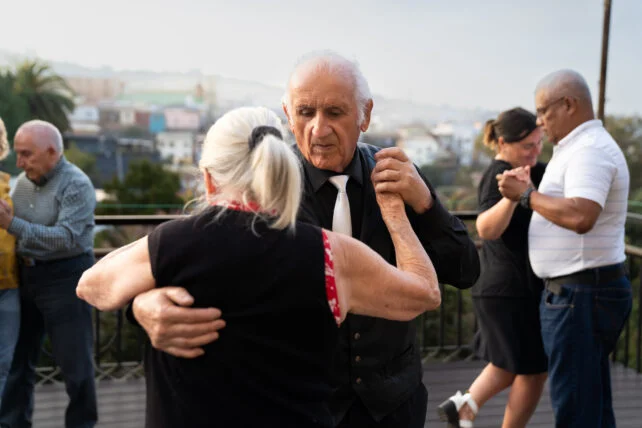
These activities encompassed a broad spectrum, including excursions to museums or libraries, attendance at exhibitions, participation in crafts, painting, singing, dancing, and a multitude of other creative endeavors.
Individuals within the study cohort who partook in at least one such activity weekly exhibited diminished indicators of aging compared to those with a more circumscribed cultural engagement.
Specifically, one of the epigenetic clocks registered a 4 percent deceleration in its progression among these individuals relative to those who rarely immersed themselves in the arts.
These observed effects were most pronounced in middle-aged participants, and a heightened diversity of artistic and cultural involvements correlated with more favorable aging trajectories.
Epigenetic clocks serve as sophisticated, albeit imperfect, models devised to forecast the velocity of an individual’s aging process. Their underlying mechanism is predicated on established links between lifestyle choices, their influence on gene expression, and subsequent health outcomes.
No single, universally applicable clock exists; rather, a variety of specialized clocks have been developed to address specific aspects of aging that researchers aim to investigate.
This particular inquiry incorporated no fewer than seven distinct epigenetic clock variations. Among the more recently developed tools is DunedinPACE, specifically calibrated to measure the rate of aging.
When contrasted with individuals who engaged in arts-related activities fewer than three times annually, those participating in three or more such activities per year demonstrated a 2 percent reduction in aging velocity as measured by the DunedinPACE clock.
Furthermore, engaging in an arts activity on a monthly basis was associated with a 3 percent slower aging rate on this clock, while weekly participation yielded a 4 percent deceleration.
Another analytical tool, designated PhenoAge, operates by comparing an individual’s chronological age with an assessment of their health status, a metric known as ‘biological age.’
In comparison to their counterparts who seldom participated in artistic endeavors, individuals who engaged in an arts or cultural activity at least once weekly appeared, on average, one year younger based on their PhenoAge readings.
This disparity is nearly twice as substantial as the difference observed between individuals who exercised at least weekly and those who did not.
“These findings compellingly underscore the tangible impact of the arts on health at a fundamental biological level,” commented lead author and epidemiologist Daisy Fancourt, who has dedicated nearly a decade to exploring the health benefits of artistic engagement at UCL.
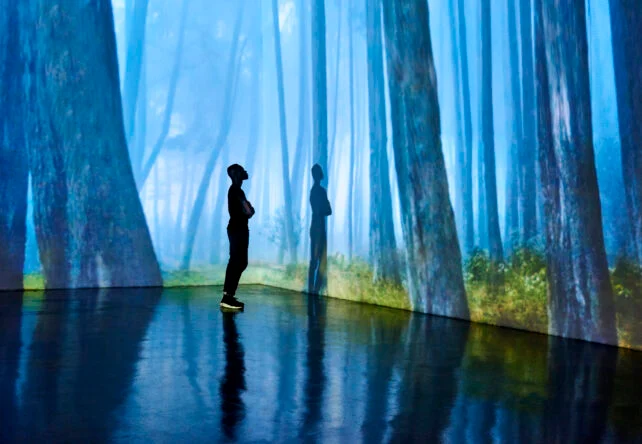
It is conceivable that in the future, medical practitioners internationally may extend the practice of prescribing visits to museums or engagement in artistic activities to their patients, mirroring the existing trend of recommending ‘nature immersion’ experiences.
What distinguishes the restorative effects of experiencing nature through methods like ‘forest bathing’ from the apprehension of human-created artistic beauty? It is plausible that both engage similar fundamental elements vital for well-being and contentment.
Artistic engagement can manifest in physical, cognitive, emotional, or social dimensions, and the pursuit of healthy aging necessitates mindful attention to each of these life domains.
A single visit to an art institution may effectively address a multitude of these crucial aspects simultaneously.
The findings of this study have been formally published in the peer-reviewed journal Innovation in Aging.