Human lifespans are steadily increasing, with projections indicating that by the year 2050, a substantial segment of the global population, approaching half a billion individuals, could surpass the age of 80.
This extended longevity is attributed, in part, to advancements in nutritional practices. However, the specific dietary patterns that foster the most extended and healthiest lives in advanced age remain an ongoing area of scientific inquiry.
Researchers are actively engaged in discerning these connections.
For younger demographics, certain dietary regimens have been correlated with augmented lifespans, particularly those emphasizing whole, plant-derived sustenance and beneficial fats.
Conversely, the consumption of meat presents a more contentious subject, frequently accompanied by specific caveats.
A recent investigation originating from China has introduced a novel element to this body of research. Analyzing data from over 5,000 individuals aged 80 and above, scientists observed that women who included meat in their diet demonstrated a greater propensity to reach their centenary year compared to their vegetarian counterparts.
When the research stratified the findings by gender, no statistically significant correlation between longevity and vegetarianism was identified among male participants.
Before disseminating this information broadly to all vegetarian women, it is essential to consider the finer details of the study.
It was specifically documented that only vegetarian participants who were classified as underweight exhibited a reduced likelihood of surviving to age 100 when contrasted with meat consumers.
“The daily incorporation of meat was associated with a 44 percent elevated probability of attaining 100 years of age [in comparison to a plant-based diet] within the underweight demographic. This association was not evident in individuals of normal or overweight status,” the study’s authors stated in their conclusions.
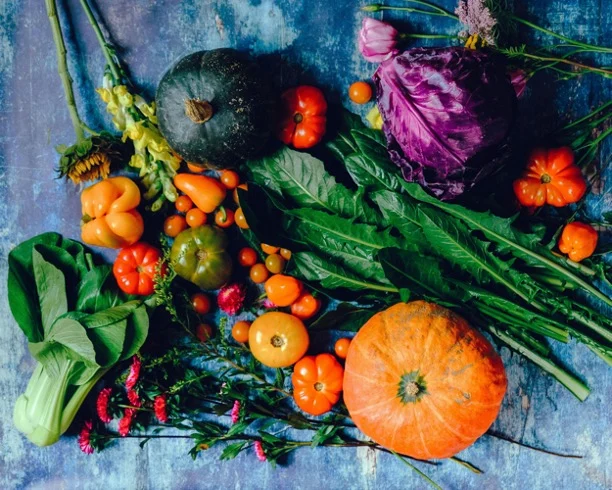
Furthermore, vegetarian individuals who consumed fish, dairy products, or eggs had comparable prospects of reaching 100 years of age as those who ate meat.
These observations imply that older adult women who adequately meet their caloric and essential nutrient requirements may enhance their probabilities of becoming centenarians.
The data lend support to recent scientific discourse that highlights the critical role of protein intake in preserving muscle mass, a factor deemed vital for healthy aging.
The new dataset originates from one of the most extensive longitudinal studies focusing on older adults globally: the Chinese Longitudinal Healthy Longevity Survey (CLHLS).
Researchers affiliated with Fudan University, the Chinese Center for Disease Control and Prevention, and Shanghai Jiao Tong University meticulously compared the life outcomes of 1,459 centenarians with those of 3,744 individuals in their 80s and 90s who did not reach 100.
The investigative team identified that body mass index (BMI) partially accounted for the observed association between vegetarianism and a shorter lifespan.
Considering that elderly populations are more prone to being underweight, the researchers propose that BMI’s influence on longevity warrants further in-depth investigation.
For instance, the phenomenon known as the “obesity paradox” describes a situation where a higher body mass appears to be linked with more favorable health outcomes in advanced age, contrary to patterns observed in younger populations.
The centenarian study conducted in China is observational, meaning it can only highlight associations rather than definitive causality. It remains possible that other confounding variables are influencing the results.
For example, the study does not account for potential shifts in dietary habits over time; the surveys only captured eating patterns in the participants’ later years, which could be influenced by factors such as the ease of mastication of certain foods.
However, prior research corroborates the notion that lifestyle choices, including dietary patterns, may be significant determinants of exceptional longevity.
Indeed, according to certain assessments, the attainment of age 90 can be attributed by as much as 70 percent to healthy behaviors, encompassing elements like sleep quality, physical activity levels, and nutritional intake.
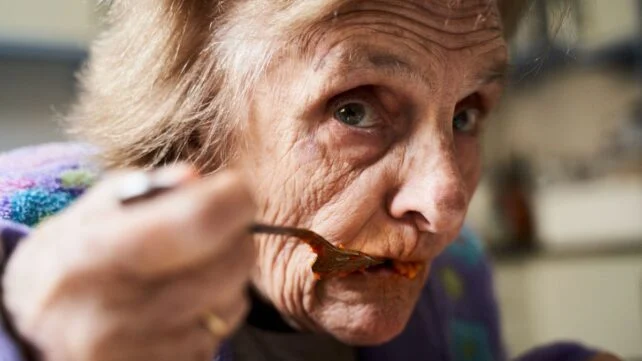
It is plausible that older adults possess distinct nutritional requirements, yet a considerable portion of vegetarianism research has historically focused on younger cohorts.
One extensive study involving over 65,000 individuals, spanning various age groups, indicated that adherence to a vegetarian diet might correlate with an increased risk of bone fractures, potentially due to diminished intake of calcium and protein.
In fact, empirical evidence suggests that elderly individuals may require greater quantities of dietary protein than currently recommended guidelines stipulate.
Nevertheless, nutrition represents an exceptionally intricate field of study, and health outcomes can be influenced by an extensive array of societal, environmental, and individual variables.
It is highly probable that the most advantageous dietary choices for extending life involve a combination of diversity and equilibrium, tailored to each individual.
Vegetarian, plant-based, and reduced-meat dietary approaches have been associated with a lower risk profile for specific health conditions, including cardiovascular disease, cerebrovascular accidents, type 2 diabetes, and obesity.
Nonetheless, not all meat varieties carry the same weight in terms of negative health implications, and consumption quantity is a significant factor. Processed and red meats, for instance, are frequently linked to poorer health indicators and diminished longevity, prompting recommendations for their consumption in moderation.
“Our findings underscored the significance of a balanced dietary intake, incorporating both animal and plant-derived foods, for promoting healthy longevity,” the research team wrote.
“Further investigations concentrating on very elderly individuals are requisite for the development of appropriate dietary guidelines.”
This research is formally published in The American Journal of Clinical Nutrition.