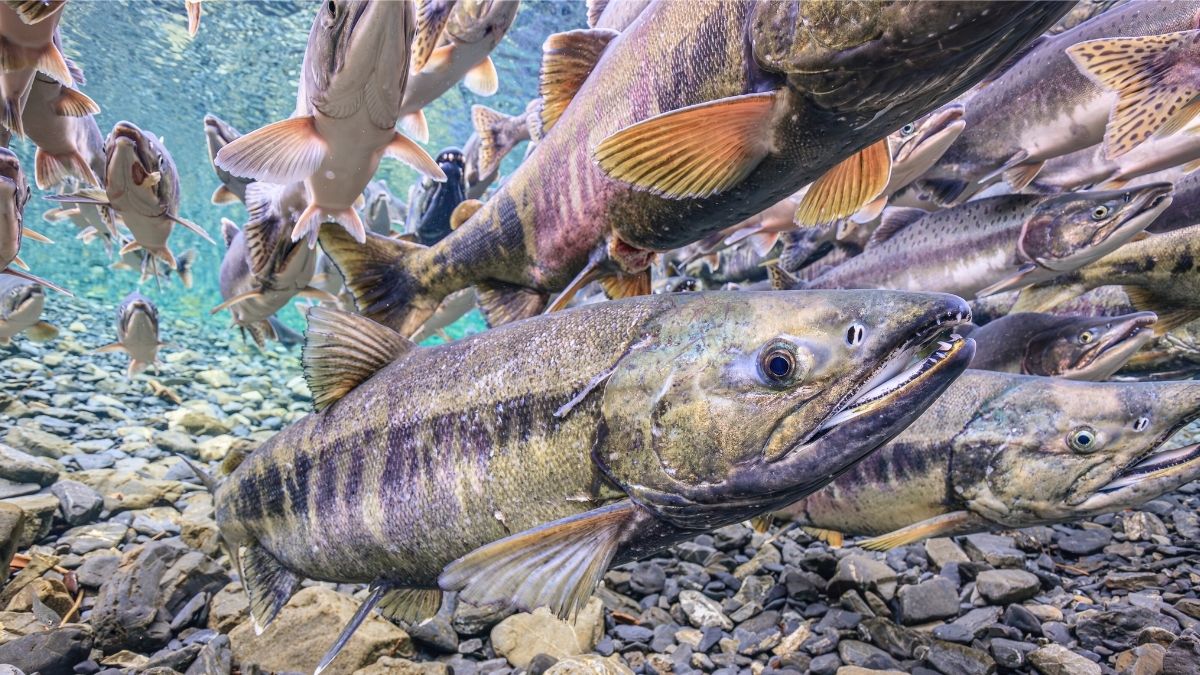
A significant United Nations evaluation issued on Tuesday has sounded the alarm, indicating that populations of migratory freshwater fish, which are indispensable for river ecosystem vitality and sustain the livelihoods of countless individuals, are experiencing a precipitous decline and are on the brink of collapse.
The very existence of hundreds of species, undertaking extraordinary journeys through the world’s major waterways and largely escaping public notice, is imperiled by habitat degradation, unsustainable fishing practices, and water contamination, impacting regions from the Amazon to the Danube.
According to the comprehensive report, unveiled at the inauguration of the COP15 summit on migratory species in Brazil, freshwater fish are confronted with a multitude of perils, rendering them “among the most vulnerable vertebrates.”
Species such as the Mekong giant catfish, the European eel, and various sturgeon varieties have witnessed dramatic population reductions in recent epochs, primarily due to human-induced pressures, including the construction of hydroelectric dams and the commercial exploitation for caviar.
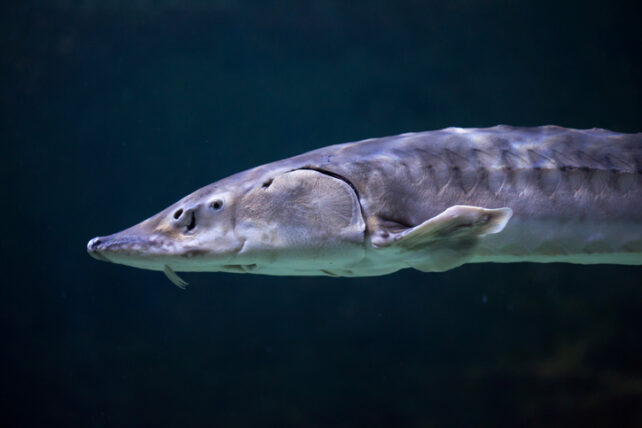
Tragically, certain species, such as the Chinese paddlefish, have already been officially declared extinct. Others are critically dependent on artificial breeding programs and subsequent reintroductions to bolster their dwindling wild populations.
The World Wide Fund for Nature (WWF) reports a staggering decrease in migratory freshwater fish numbers, estimating a decline of approximately 81 percent since 1970.
These aquatic organisms, serving as a fundamental source of protein for both human populations and the global animal kingdom, necessitate unobstructed pathways for their migrations between breeding and feeding territories, which often transcend national boundaries.
Consequently, concerted international collaboration is essential to counteract their ongoing decimation.
The findings, compiled by the Convention on the Conservation of Migratory Species of Wild Animals (CMS), identify close to 350 distinct migratory fish species that stand to benefit from enhanced protective measures under the established international framework.
Species such as salmon, eels, and lampreys are slated for consideration during the conference scheduled from March 23rd to 29th in Campo Verde.
The geographical distribution of these at-risk species indicates that Asia harbors the largest proportion, followed by South America and Europe.
Priority river systems identified for conservation efforts include the Amazon and La Plata-Parana in South America, the Danube in Europe, the Mekong and the Ganges-Brahmaputra in Asia, and the Nile in Africa.
“This comprehensive review underscores the severe predicament faced by migratory freshwater fish, and effectively safeguarding them will necessitate a unified approach among nations to maintain the connectivity, productivity, and ecological richness of our rivers,” stated Zeb Hogan, the lead author of the assessment, in a prepared statement.