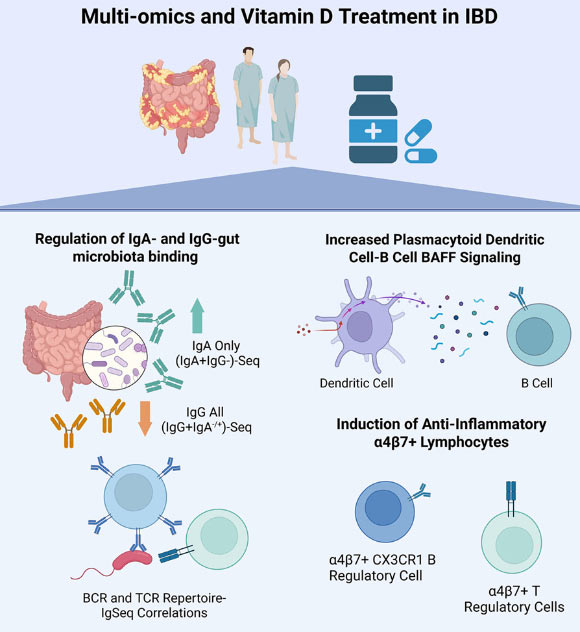
Emerging scientific inquiry indicates that vitamin D supplementation may significantly alter the immune system’s reactions to intestinal microorganisms in individuals afflicted with inflammatory bowel disease (IBD). This intervention shows potential to steer the body towards a more defensive posture, thereby mitigating inflammatory processes. These discoveries provide preliminary insights into therapeutic avenues aimed at restoring immune system equilibrium rather than merely alleviating symptomatic manifestations.
Inflammatory bowel disease (IBD), encompassing conditions such as ulcerative colitis and Crohn disease, represents a chronic inflammatory affliction of the digestive tract. Its etiology is believed to stem from a confluence of inherited genetic predispositions and external environmental elements.
A decline in immune system tolerance towards resident gut bacteria is now acknowledged as a critical contributing factor in the development of IBD.
Contemporary therapeutic approaches for IBD have primarily concentrated on modulating aberrant immune responses, without directly addressing the intricate dialogue between the gut microbiome and intestinal immunity.
A deeper comprehension of the biological mechanisms governing host-microbe interactions, coupled with the development of strategies to re-establish immune tolerance to the gut microbiota, could pave the way for novel treatments or preventative measures for IBD.
“This investigation suggests that vitamin D might assist in recalibrating the immune system’s perception of gut bacteria,” remarked Dr. John Mark Gubatan, a gastroenterologist affiliated with the Mayo Clinic.
“This constitutes a significant advancement in understanding how we might reinstate immune tolerance in IBD.”
Within the scope of this recent investigation, researchers assessed 48 individuals diagnosed with IBD who exhibited suboptimal vitamin D levels.
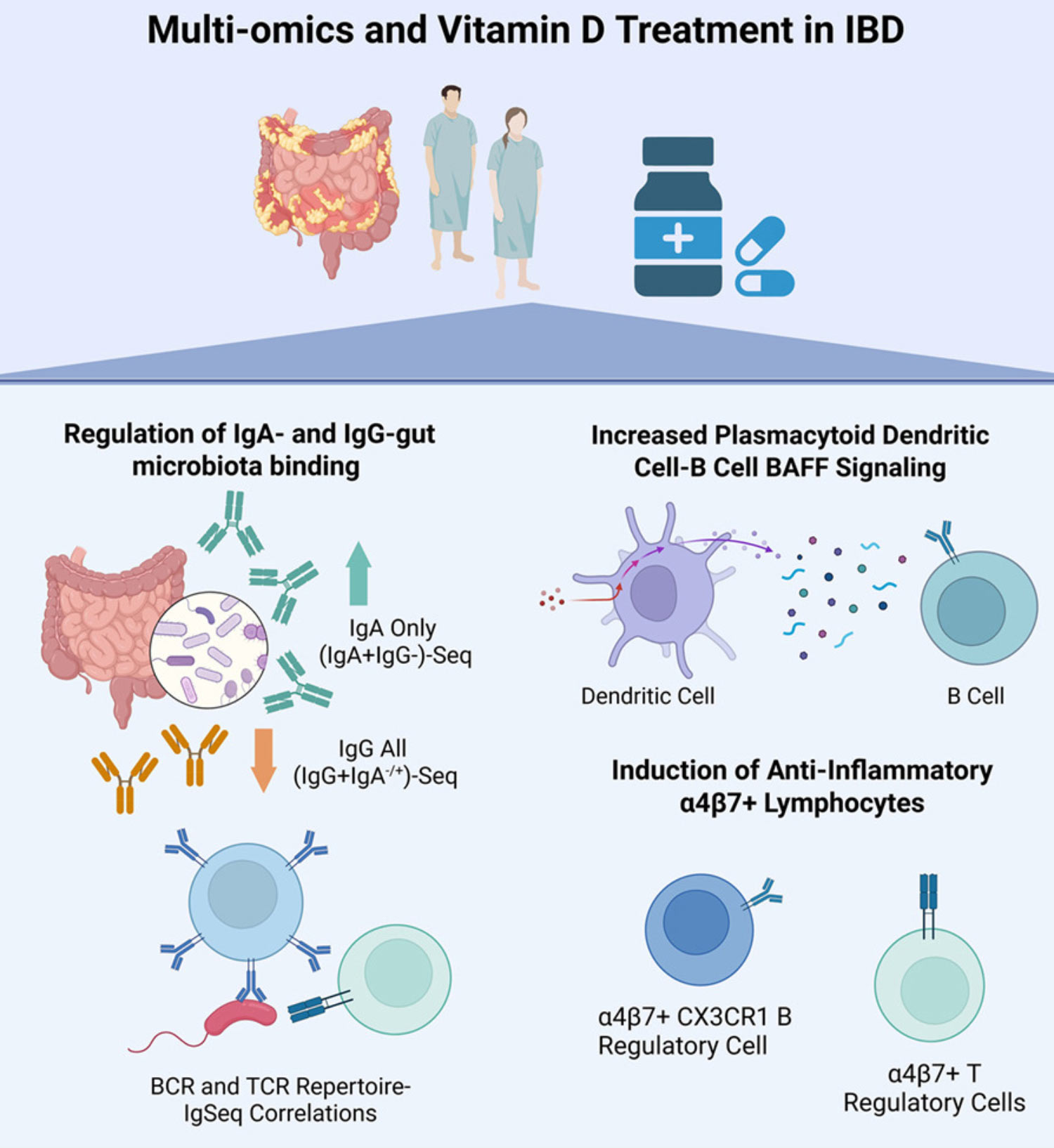
Participants underwent a regimen of weekly vitamin D supplementation over a 12-week period. Biological samples, including blood and stool, were collected prior to and following the intervention. These samples were then subjected to sophisticated sequencing techniques to delineate the interplay between immunological responses and the gut microbial ecosystem.
The administration of vitamin D supplements correlated with an elevation in immunoglobulin A (IgA) levels, a marker typically associated with a robust immune defense, and a reduction in immunoglobulin G (IgG) levels, which are more commonly linked to inflammatory processes.
Furthermore, the scientific team observed alterations in immune signaling cascades and heightened activity among regulatory immune cells instrumental in moderating inflammation.
The vitamin D supplementation regimen was also found to be associated with improvements in disease activity metrics and a stool-based indicator of inflammation.
Nevertheless, the study’s authors underscore the preliminary nature of their findings, highlighting that the study was limited in size and not designed to establish definitive causality.
“While we observed promising indications, this was not a randomized controlled trial,” stated Dr. Gubatan.
“These results necessitate validation through larger, carefully controlled investigations.”
The research team also advises that individuals should refrain from altering their vitamin D regimen without consulting a medical professional.
“Although vitamin D is readily accessible, precise dosage adjustments are crucial, particularly for individuals managing chronic inflammatory conditions. Patients must collaborate closely with their healthcare providers,” Dr. Gubatan concluded.
The research endeavor was featured in the peer-reviewed journal Cell Reports Medicine.
_____
John Gubatan et al. Multi-omics reveal vitamin D regulation of immune-gut microbiome interactions and tolerogenic pathways in inflammatory bowel disease. Cell Reports Medicine, published online March 26, 2026; doi: 10.1016/j.xcrm.2026.102703