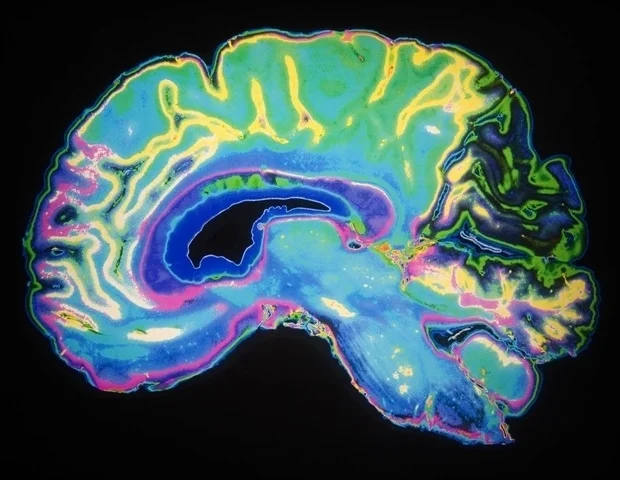
Millions globally are impacted by drug-resistant epilepsy, a neurological condition presenting significant treatment challenges. For individuals whose seizures persist despite pharmacological interventions, ablating the tissue responsible for seizure generation through surgical means can prove beneficial.
Nevertheless, surgical intervention is not universally applicable, particularly when the epileptogenic zone coincides with areas governing vital functions such as speech or motor control. Stereo-electroencephalography-guided radiofrequency thermocoagulation (RF-TC) employs implanted electrodes to administer localized hyperthermic lesions, presenting a therapeutic avenue with the potential for a reduced operative burden and expedited convalescence.
A cohort of researchers, spearheaded by Professor Haifeng Shu and Dr. Xin Chen from the Department of Neurosurgery, College of Medicine, at the General Hospital of Western Theater Command, Southwest Jiaotong University, China, undertook an investigation into the ramifications of RF-TC on intracranial communication pathways and the correlation between these alterations and seizure amelioration.
Through the meticulous analysis of functional connectivity patterns preceding and following treatment, the investigative team aimed to ascertain whether RF-TC functions beyond a mere localized tissue destruction modality. This research was made accessible online and featured in Volume 12, Article Number 9 of the Chinese Neurosurgical Journal, with its publication date set for March 12, 2026.
The study involved a retrospective examination of 17 patients diagnosed with medically refractory epilepsy who had undergone stereo-electroencephalography monitoring prior to RF-TC. Investigators scrutinized resting-state electrophysiological recordings obtained while patients were awake, both before and immediately after the therapeutic procedure.
Employing sophisticated signal processing techniques, the researchers quantified the degree of synchronization between disparate brain regions across the delta, theta, alpha, beta, and gamma frequency bands. Furthermore, graph theory methodologies were applied to precisely evaluate whether pivotal communication nodes within seizure networks exhibited diminished influence or underwent structural reorganization subsequent to the treatment.
The most striking modifications were observed within the alpha frequency band, a spectral range frequently implicated in sustained, long-range neural communication. Post-RF-TC intervention, a significant reduction in connectivity was noted, both within the identified epileptogenic zones and between these zones and other assessed brain areas.
Concurrently, several network topological characteristics were found to have shifted. Notably, a decrease in betweenness centrality was recorded, indicating a reduced prominence of seizure-initiating pathways following the intervention. These findings lend credence to the hypothesis that RF-TC may exert its effects by disrupting aberrant network synchronization rather than solely by eradicating a small, localized area of tissue.
Clinical outcomes were also a critical consideration. Patients who did not achieve a substantial reduction in seizure frequency exhibited more pronounced decrements in alpha- and theta-band connectivity, suggesting a more diffuse yet less advantageous network perturbation. Conversely, individuals experiencing clinical improvement displayed enhanced gamma-band clustering, which might signify a healthier reorganisation of local neuronal circuits after pathological pathways were attenuated by the therapy.
RF-TC appears to influence the epileptic brain as a network therapy rather than only a focal lesion. Early electrophysiological signals after treatment may help clinicians understand whether the intervention is likely to be successful.”
Haifeng Shu, Professor, Department of Neurosurgery, College of Medicine, General Hospital of Western Theater Command, Southwest Jiaotong University
The implications of these findings may translate into immediate clinical utility. If brief post-procedural electrophysiological recordings can reliably predict treatment efficacy, clinicians might be empowered to ascertain the intervention’s success earlier and proactively adjust therapeutic strategies. This could involve the more prompt consideration of supplementary interventions or alternative treatment modalities.
Beyond immediate applications, the research holds broader significance for the fields of neuroscience and precision medicine. An improved understanding of how targeted thermal ablation reconfigures dysfunctional neural circuits could foster synergistic collaborations among neurosurgeons, biomedical engineers, imaging specialists, and computational scientists dedicated to the development of personalized therapeutic approaches for epilepsy and other neurological disorders on a global scale.
Dr. Chen further elaborated, “Our long-term objective is to integrate brain-network analysis with bespoke intervention design, thereby ensuring that each patient receives a treatment regimen that is both optimally effective and minimally invasive.”
Although the authors acknowledge the necessity for larger, prospective research endeavors, the current results strongly indicate that RF-TC could represent a pivotal advancement towards the implementation of network-informed epilepsy management worldwide.
Shen, D., et al (2026) Alteration of functional connectivity and network properties after stereo-electroencephalography guided radiofrequency thermocoagulation. Chinese Neurosurgical Journal. DOI:10.1186/s41016-026-00428-8. https://link.springer.com/article/10.1186/s41016-026-00428-8.