While aviation is already recognized as the most secure method of travel and continues to enhance its safety record, recent investigations uncover an additional avenue for carriers to bolster passenger protection.
Findings from this research indicate that the most effective strategy for facilitating an aircraft evacuation involves the judicious placement of senior individuals throughout the cabin.
Despite being a scenario that all air voyagers find unsettling, should an aircraft necessitate an evacuation, the US Federal Aviation Administration (FAA) has stipulated a benchmark period of 90 seconds for passengers to disembark and reach safety.
This FAA benchmark was established through controlled experimental simulations; however, it does not fully capture the complexities of real-world emergencies, including the inherent disarray of such events and the diverse passenger demographics encountered on commercial flights.
For instance, older individuals may encounter greater challenges related to mobility, fine motor skills, or cognitive processing.
In light of this, legislation known as the Emergency Vacating of Aircraft Cabin (EVAC) Act was proposed in December 2022. This act advocates for modernized evacuation mandates that account for the practical realities of cabin environments, encompassing constricted legroom, narrow passageways, an aging passenger demographic, and individuals with impaired mobility.
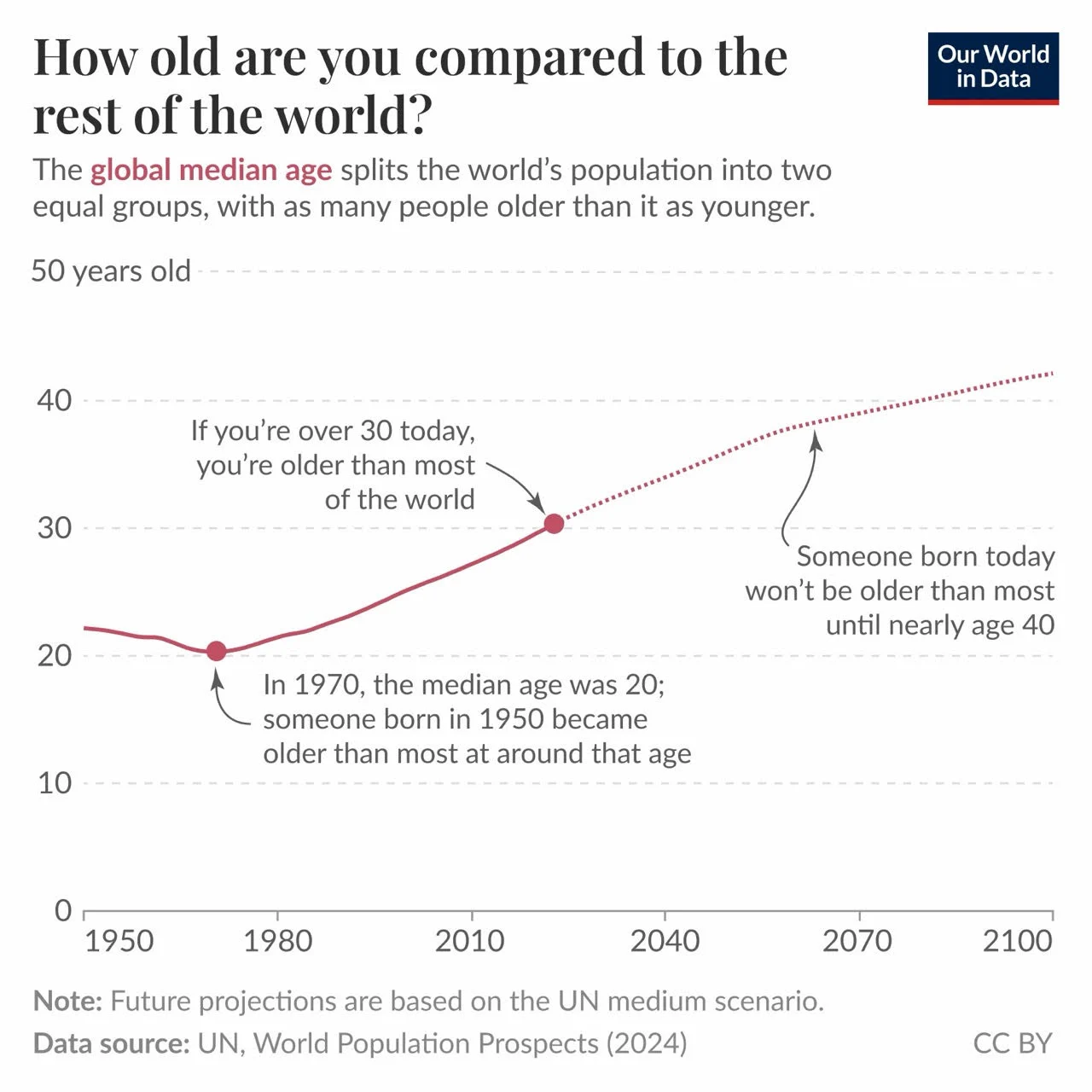
The imperative for updated guidelines is amplified by the ongoing demographic shift towards an older global population. Projections suggest that the world’s median age will advance from 31 to 36 by the year 2050, accompanied by a continuous increase in the number of elderly residents.
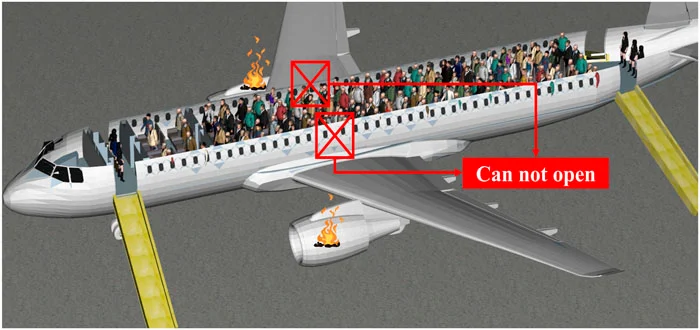
Consequently, a re-evaluation of evacuation protocols is warranted, potentially through the exploration of specific approaches to seat passengers strategically across aircraft in emergency situations, such as a dual-engine fire, which ranks among aviation’s most perilous scenarios, potentially precipitated by bird collisions, fuel system defects, or rough landings.
“Although a dual-engine fire event is statistically infrequent, it falls under the wider classification of twin-engine failures and critical aviation emergencies,” states Chenyang (Luca) Zhang, a neuroscientist at the University of Calgary in Canada whose expertise lies in human factors within aviation. “Historical precedents, like the celebrated ‘Miracle on the Hudson’ incident involving Captain Sullenberger, demonstrate that dual-engine failures and emergencies can indeed occur and have profound repercussions.”
With the objective of enhancing flight safety, researchers conducted simulations of numerous evacuation scenarios in response to a double-engine fire aboard an Airbus A320 aircraft – a predicament that renders the over-wing exits unusable, compelling passengers to egress through the forward and aft doors of the aircraft.
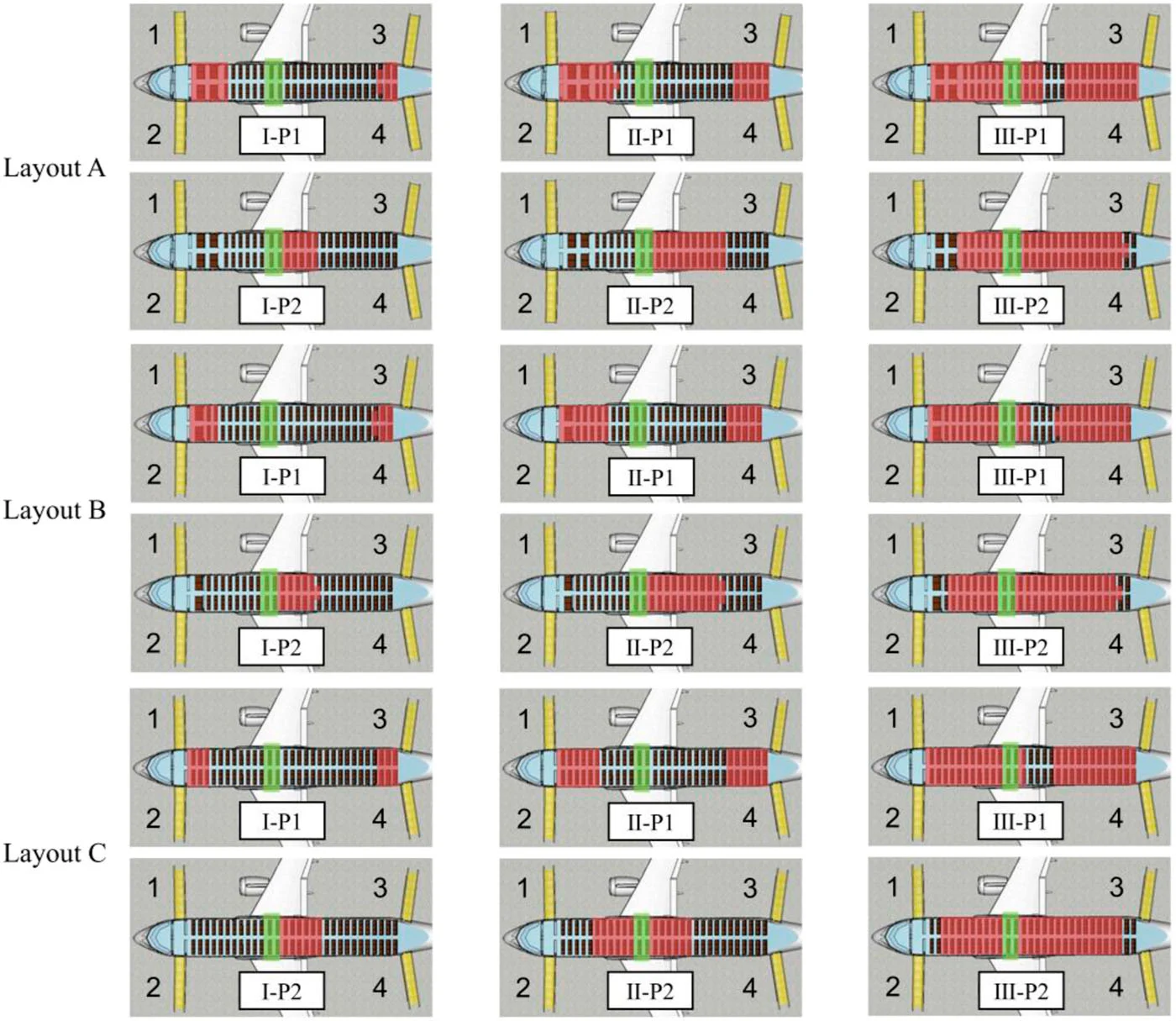
Utilizing the specifications of an Airbus A320, the research team developed models for three distinct seating configurations accommodating up to 180 passengers. Evacuation durations were then simulated, taking into account the passenger composition and their assigned seating locations.
This included analyses of male and female participants (who exhibit minor variations in average height and walking pace) categorized as either over 60 years old (considered elderly) or under 60.
Across the 27 total evacuation simulations conducted, the most expedited egress time of 141 seconds was recorded in a flight scenario featuring the lowest proportion of elderly individuals (constituting 20 percent of the passengers), specifically when these senior passengers were equitably distributed in proximity to exit points.
Conversely, the researchers observed that “the longest evacuation durations occurred when a substantial number of elderly passengers were present, even those situated near exits,” resulting in a timeframe of 218.5 seconds.
If this outcome is not startling, it might be by design. As the global population ages, the probability of encountering a flight with a predominance of elderly passengers increases statistically, necessitating the adoption of updated safety strategies.
“Our hope is that these findings will empower airlines to proactively mitigate potential risks,” stated Zhang. “By comprehending the influence of passenger distribution on evacuation efficiency, airlines could potentially implement more strategic seating arrangements to optimize safety without compromising operational efficacy.”
This study has been published in the journal AIP Advances.