Historically, the prognosis for individuals diagnosed with pancreatic cancer has been exceedingly grim. For those identified with metastatic pancreatic cancer between the years 2015 and 2021, an overwhelming proportion, approximately 97%, succumbed within five years of their initial diagnosis.
The formidable lethality of pancreatic cancer stems, in part, from the absence of effective diagnostic screening methods. Furthermore, the disease rarely manifests discernible symptoms during its nascent stages.
By the time a patient presents with indicative signs, such as jaundice (a yellowing of the skin) or aberrant abdominal discomfort, the malignancy has frequently disseminated to other vital organs.
In my capacity as a gastrointestinal oncologist and researcher with a focus on early-phase clinical investigations, I have continually observed the profound exigency for more efficacious therapeutic interventions for pancreatic cancer patients.
For many decades, the pursuit of successfully targeting the pivotal molecular mechanism that drives the overwhelming majority of pancreatic cancers was deemed an insuperable challenge.
However, this long-held perspective is undergoing a rapid and significant transformation due to the advent of a novel therapeutic agent capable of inhibiting the crucial protein responsible for fueling pancreatic cancer progression, effectively nearly doubling survival rates for individuals with advanced stages of the disease.
Previously ‘Undruggable’ Tumors
The conventional therapeutic regimen for advanced pancreatic cancer has traditionally depended on chemotherapy, a class of aggressive pharmaceuticals designed to eradicate rapidly proliferating cellular populations.
While chemotherapy can serve to decelerate disease advancement, its efficacy is frequently compromised by the inherent capacity of pancreatic cancer cells to develop countermeasures against these potent agents.
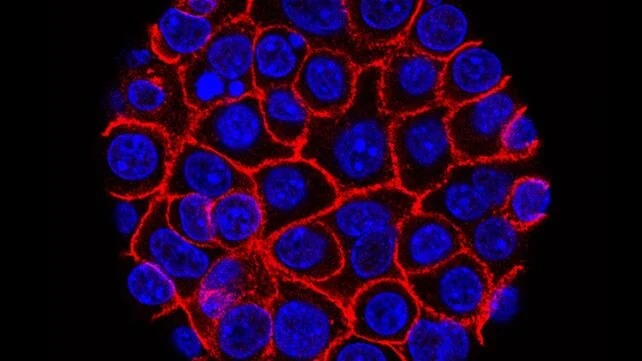
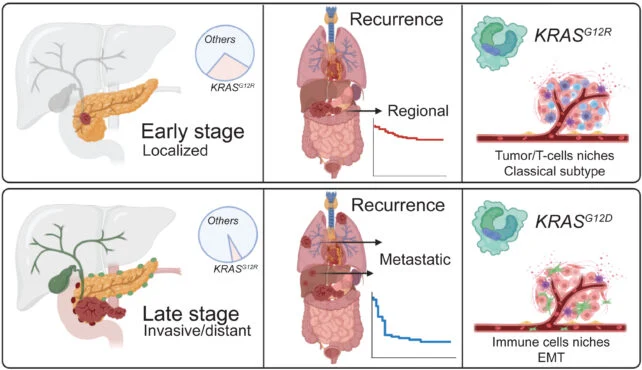
The inherent success of pancreatic cancer is intrinsically linked to its genetic underpinnings. Over 90% of pancreatic tumors are propelled by genetic alterations within the KRAS gene. This specific gene encodes proteins that function as molecular switches, regulating the initiation and cessation of cellular proliferation.
When the KRAS gene undergoes mutation, this regulatory switch becomes permanently locked in the “on” state, thereby instructing cancer cells to proliferate uncontrollably.
For decades, scientific consensus classified KRAS as “undruggable.” The protein’s surface is remarkably smooth, lacking the distinct molecular indentations essential for conventional pharmaceuticals to establish a binding connection and deactivate the signaling cascade.
Consequently, due to the inability of existing therapeutic agents to directly engage this protein, the treatment paradigm for pancreatic cancer has predominantly relied on cytotoxic compounds that operate more as indiscriminate weapons than as precisely targeted instruments.
Chemotherapeutic interventions endeavor to exert control over the disease through a broad-spectrum cellular annihilation strategy, invariably resulting in substantial collateral damage to healthy tissues, which precipitates adverse side effects.
Understanding Daraxonrasib
A groundbreaking medication known as daraxonrasib represents a pivotal advancement in the therapeutic management of metastatic pancreatic cancer.
Daraxonrasib is administered orally on a daily basis. Rather than directly engaging with KRAS, it forms an association with a cellular molecule called cyclophilin A, which plays a crucial role in the intricate process of protein folding into their definitive three-dimensional configurations.
This resultant protein complex subsequently gains the capacity to interact with the active KRAS protein, thereby abrogating its signaling function that prompts malignant cells to proliferate.
The pharmaceutical entity responsible for the drug’s development, Revolution Medicines, disclosed findings on May 31, 2026, derived from its Phase 3 clinical investigation involving 500 participants afflicted with metastatic pancreatic cancer who had previously undergone treatment.
In comparison to standard chemotherapeutic regimens, daraxonrasib demonstrated a noteworthy outcome, nearly doubling the median overall survival from 6.7 months to 13.2 months post-diagnosis. Cumulatively, daraxonrasib was associated with a 60% reduction in mortality risk among patients diagnosed with metastatic pancreatic cancer.
The most frequently encountered adverse reaction was a pronounced dermatological eruption, affecting over 86% of the study cohort.
Participants also commonly experienced stomatitis – characterized by painful inflammation and ulcerations within the oral cavity – in addition to gastrointestinal disturbances such as diarrhea, nausea, and emesis.
Nevertheless, individuals receiving daraxonrasib exhibited a substantially lower propensity to discontinue treatment due to severe adverse effects when juxtaposed with chemotherapy recipients. Furthermore, they reported an amelioration in their quality of life, accompanied by diminished pain levels.
Future Trajectories for Daraxonrasib
By successfully elucidating and targeting the specific genetic aberration that underpins the vast majority of pancreatic cancers, researchers have conclusively demonstrated that this historically “undruggable” malignancy can indeed be addressed through targeted therapeutic modalities.
The immediate forthcoming phase involves a rigorous regulatory appraisal of the drug’s preparedness for widespread clinical deployment. With the accompanying data now officially disseminated, Revolution Medicines intends to leverage these findings to initiate the formal application process for approval by the Food and Drug Administration and other analogous global regulatory authorities.
Given the formidable challenge inherent in treating advanced pancreatic cancer, therapeutic breakthroughs that exhibit such a significant survival advantage are typically afforded expedited or priority review pathways.
The anticipated timeline for daraxonrasib’s availability to patients will be contingent upon the duration of this regulatory review process. Should the drug secure regulatory endorsement, it could potentially become accessible in clinical settings within a matter of months.
From the broader perspective of pharmaceutical innovation, this achievement signals a probable paradigm shift in the management of pancreatic cancer. It is anticipated that subsequent clinical investigations will explore combination therapies, integrating KRAS inhibitors with complementary agents to preclude the development of treatment resistance in tumor cells.
If daraxonrasib proves successful, it could lay the groundwork for more precise, individualized, and effective therapeutic strategies for pancreatic cancer in the ensuing years.