An extraordinarily intact fossil of a novel corcoraniid arthropod species, dating back to the Furongian epoch (approximately 497 to 487 million years ago), has been unearthed near Québec, Canada. This significant find bolsters the perspective that the so-called Furongian Gap—an evolutionary period between the Cambrian Explosion and the Great Ordovician Biodiversification Event, marked by a notable decrease in life’s variety—may largely stem from limitations in fossil sampling rather than an actual decline in biodiversity.
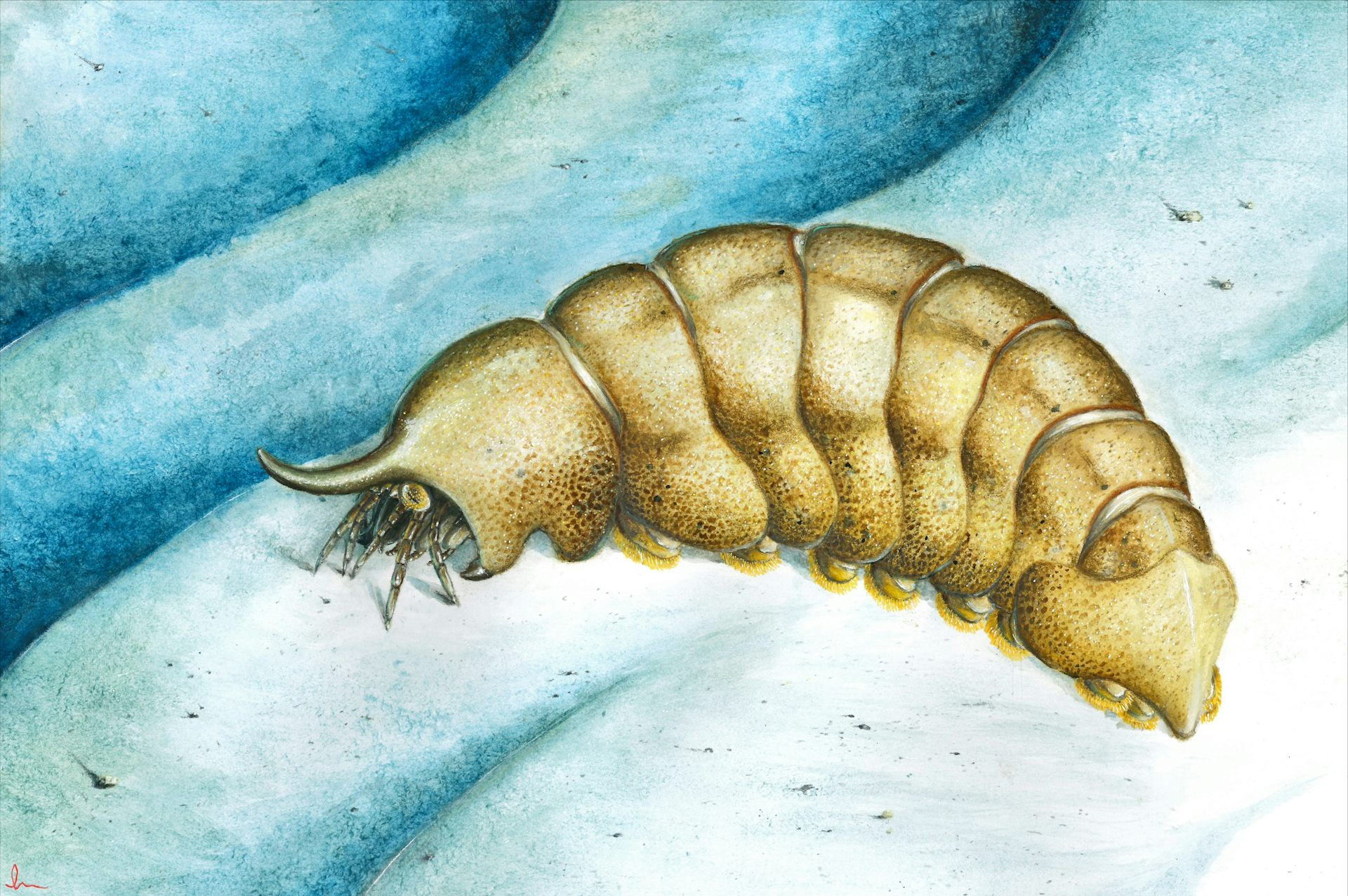
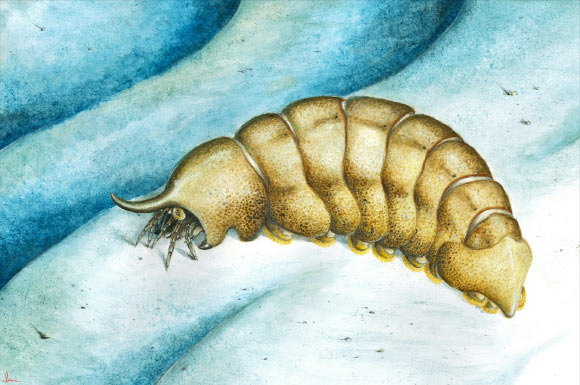
Life reconstruction of Magnicornaspis garwoodi. Image credit: Thomas Turner.
“Paleontologists have pondered whether this era characterized by significantly diminished life forms could be attributable to alterations in oceanic chemistry, global cooling trends, or environmental instability,” remarked Dr. Russell Bicknell from Flinders University.
“However, it is plausible that our investigation of sedimentary strata or fossil-bearing deposits has been insufficient to provide a comprehensive understanding of the soft-bodied organisms and early arthropods that populated the Earth during that period.”
Designated Magnicornaspis garwoodi, this newly identified, intriguing arthropod displays prominent cephalic shields, distinctly segmented exoskeletons, and defensive spines characteristic of the corcoraniid order.
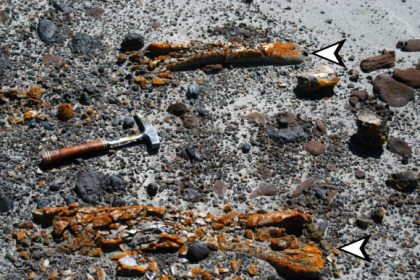
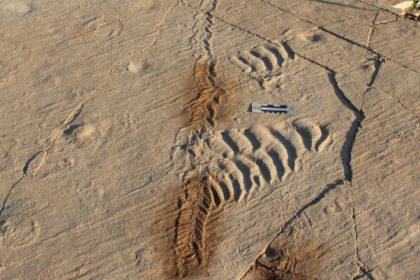
The specimen, discovered in Canada’s Québec region and encapsulated within the Rivière-du-Loup Formation, represents one of the scarce species documented from both the Cambrian and Ordovician periods.
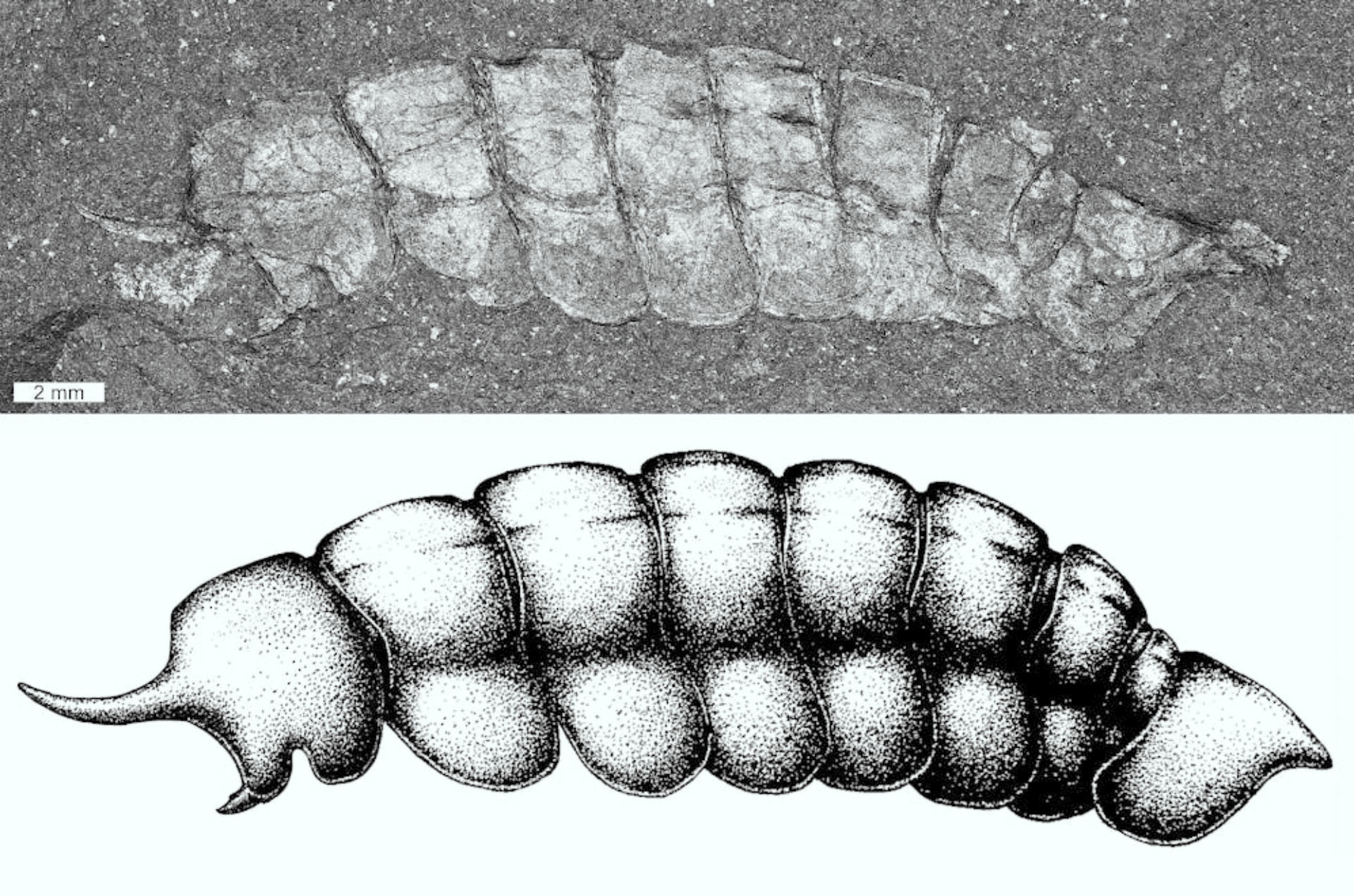
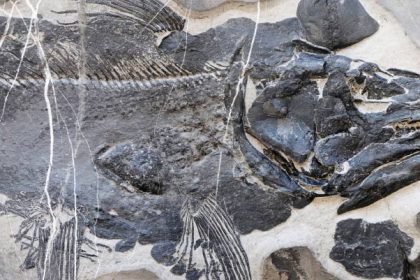
Magnicornaspis garwoodi. Image credit: Bicknell et al., doi: 10.1186/s12915-026-02617-4.
“The fossil holds considerable significance as it contributes to elucidating gaps in our paleontological record,” stated Dr. Bicknell and his colleagues.
“It joins an expanding collection of Furongian sites that cast doubt upon the prevailing notion of a sparsely populated Late Cambrian world.”
“Each subsequent discovery of a Furongian fossil diminishes this perceived interval and reveals increasingly complex ecosystems that flourished during the Late Cambrian era.”
“Collectively, these findings increasingly suggest that Furongian ecosystems maintained a state of considerable diversity and ecological intricacy.”
“Crucially, this specimen originates from a geological context not previously known for yielding exceptionally preserved fossils.”
The identification of Magnicornaspis garwoodi aligns with a broader trend that has become apparent over the last two decades.
“The Furongian epoch might not signify a genuine reduction in biodiversity, but rather an observational hiatus influenced by where scientists have focused their research and the types of rock formations that have been examined,” posited Dr. Julien Kimmig, a researcher affiliated with the Karlsruhe Institute of Technology and the Staatliches Museum für Naturkunde Karlsruhe.
The unveiling of Magnicornaspis garwoodi is detailed in a published study in the journal BMC Biology.
_____
R.D.C. Bicknell et al. 2026. New exceptionally preserved arthropod from the Furongian of Canada. BMC Biol 24, 119; doi: 10.1186/s12915-026-02617-4