Subsequent endeavors aimed at planetary exploration of Mars may inadvertently transport microscopic organisms.
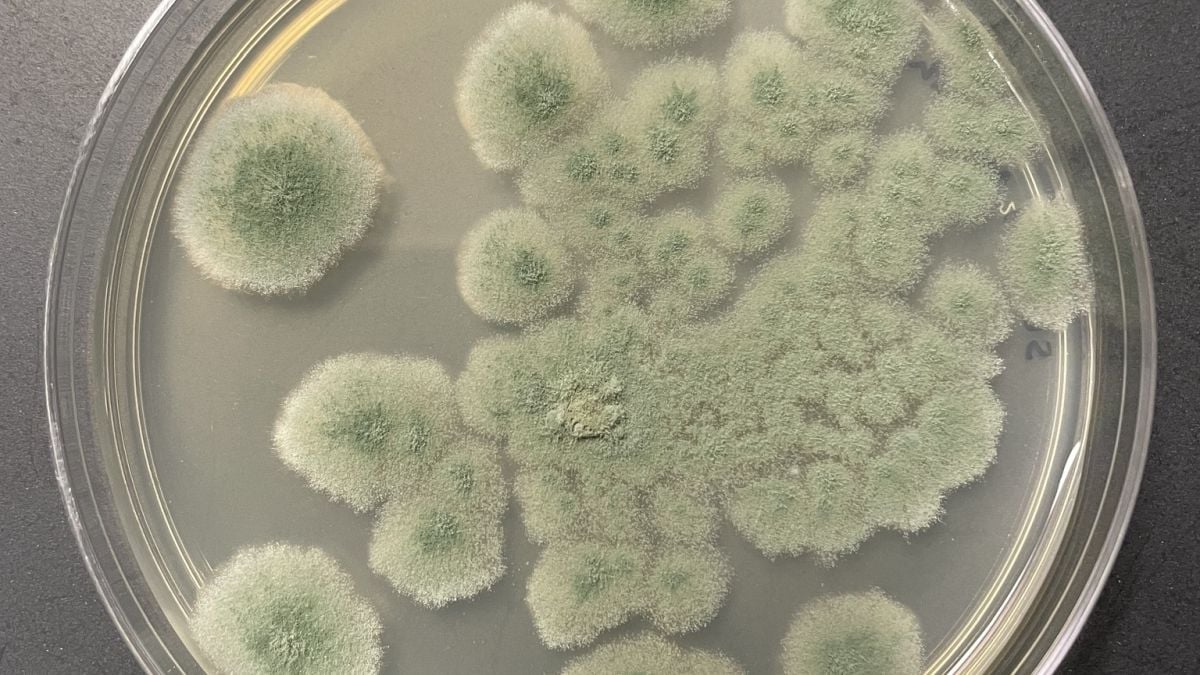
A recent investigation into microorganisms discovered within NASA’s sterile environments, which persisted even after rigorous sterilization protocols, has indicated that a particular type of fungus, identified as Aspergillus calidoustus, possesses the remarkable hardiness required to endure the intense radiation, near-vacuum, and extreme temperature fluctuations characteristic of interplanetary space.
“This finding does not imply an imminent risk of Martian contamination; rather, it enhances our ability to accurately assess the potential hazards associated with microbial survival,” explained microbiologist Kasthuri Venkateswaran from NASA’s Jet Propulsion Laboratory. “Microbial life forms have demonstrated extraordinary resilience when subjected to environmental stressors.”
When we dispatch exploration vehicles to investigate celestial bodies within our solar system, there is a possibility they could carry unintended biological entities.
While sterilization methodologies are designed to minimize the presence of microbial spores hitchhiking on these missions, even the most stringent procedures cannot entirely eliminate this risk. Current protocols stipulate a maximum of 300 spores per square meter for spacecraft destined for the Martian surface.
It is generally assumed that organisms that have evolved over millennia within Earth’s environment would likely perish during a transit through space, exposed on the exterior of a launch vehicle. However, any species sufficiently robust to withstand the decontamination processes employed within a spacecraft may also be among the most capable of surviving the arduous journey through space.
The majority of research in this domain has concentrated on bacterial species, which produce spores that effectively act as a protective capsule, or life raft, during periods of environmental adversity. In contrast, fungi have received less attention in the context of planetary protection research, despite some species exhibiting remarkable resilience under extreme conditions.
According to Article IX of the United Nations’ Outer Space Treaty, established in 1967, all extraterrestrial exploration must incorporate measures to prevent the detrimental contamination of other worlds. Consequently, it is imperative to identify potential biological contaminants that could feasibly travel across the solar system and establish a presence on another planet or moon.
Venkateswaran and his research team collected samples from NASA cleanrooms utilized in the Mars 2020 program to gain a more comprehensive understanding of the potential fungal threat. Their specific objective was to identify fungal spores, known as conidia, and ascertain their capacity to survive simulated space travel conditions.
Even from the meticulously decontaminated cleanrooms, a total of 27 distinct fungal strains were isolated.
Subsequently, the researchers cultured these fungi, harvested their conidia, and subjected them to a battery of rigorous tests.
These tests encompassed exposure to intense ultraviolet irradiation, significantly exceeding typical terrestrial levels; an ultra-low-pressure environment mirroring Martian atmospheric conditions; extreme sub-zero temperatures reaching -60 degrees Celsius (-76 Fahrenheit), comparable to Martian nighttime lows; simulated Martian dust; and radiation doses equivalent to the cosmic radiation encountered during a voyage to Mars.
Out of the initial 27 fungal strains, an impressive 23 demonstrated survival following UV irradiation. However, a single species, A. calidoustus, emerged as the most resilient. Its conidia proved capable of withstanding UV radiation, prolonged exposure to space-like ionizing radiation over several months, and the simulated Martian atmospheric conditions.
The only environmental factor that could consistently neutralize the fungus was sustained exposure to a combination of high Martian radiation levels and extreme cold.
“The ability of fungal conidia to endure multiple conditions relevant to space exploration indicates their potential as forward contaminants, capable of being transported to and persisting on Mars,” the researchers stated in their publication.
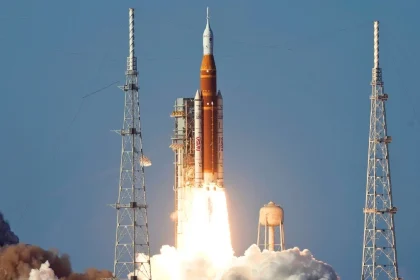
While these findings do not necessitate immediate alarm regarding fungal proliferation on Mars, they strongly suggest that fungi represent a significant and previously underestimated vulnerability in current strategies for preventing interplanetary contamination. This is particularly pertinent as humanity approaches a new epoch of space exploration with initiatives like the Artemis program.
“Collectively, these investigations contribute to the refinement of NASA’s planetary protection protocols and methodologies for assessing microbial risks in both current and future space exploration missions,” Venkateswaran commented.