The grating sound produced by fingernails on a chalkboard can elicit a visceral aversion in many individuals.
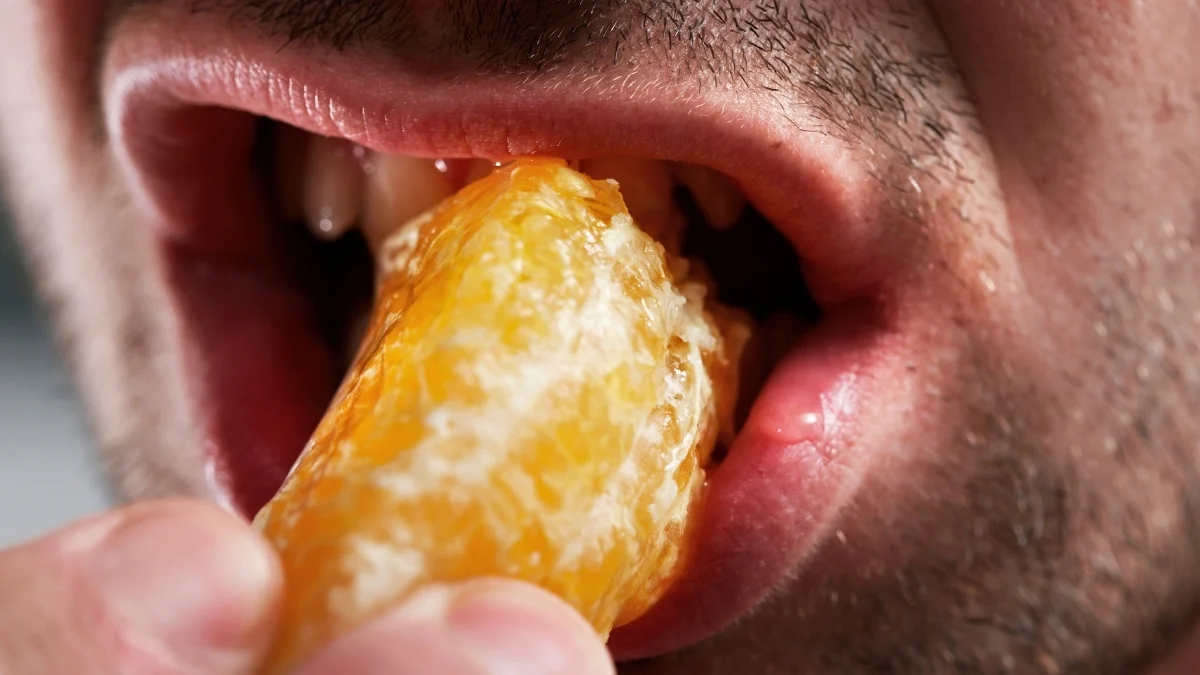
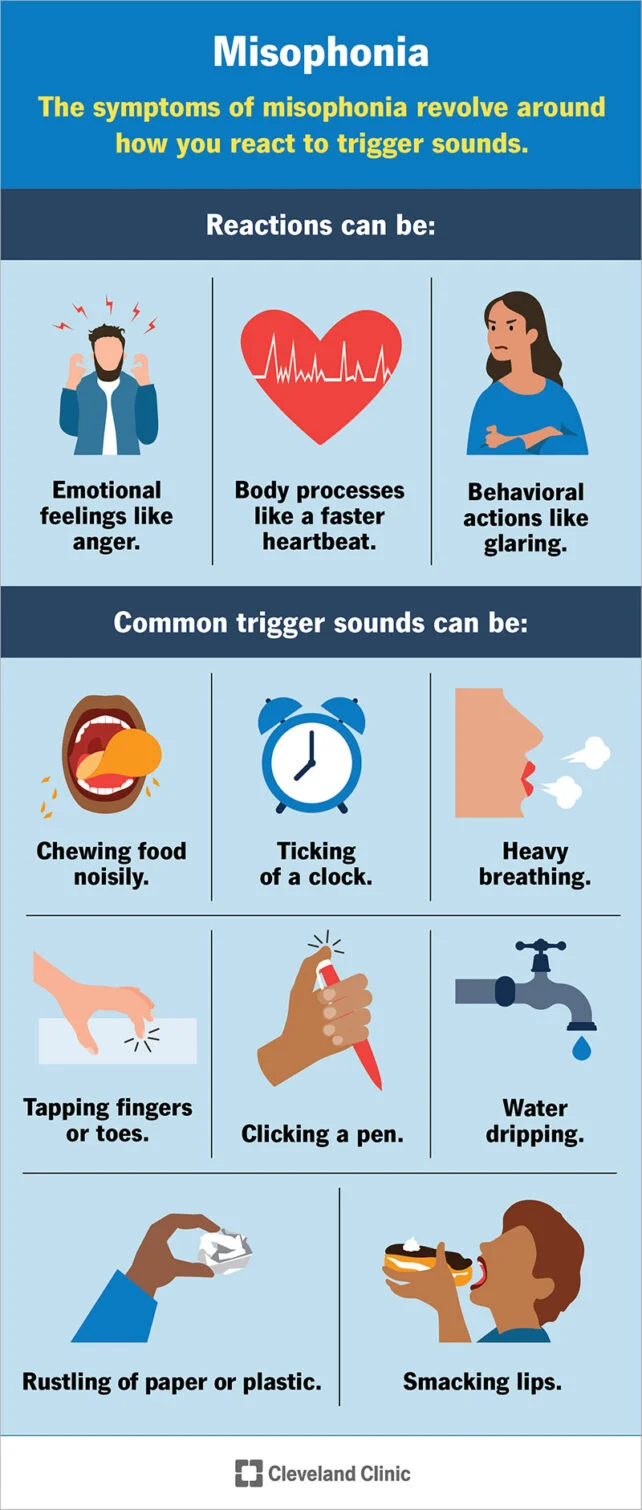
For those afflicted with misophonia, a comparable level of acute distress can be triggered by a different spectrum of auditory stimuli, encompassing noises like slurping, snoring, audible breathing, and mastication.
A 2023 publication featuring research conducted by Dutch scientists indicates a genetic predisposition for misophonia that overlaps with mood dysfunctions, including anxiety disorders, depressive conditions, and post-traumatic stress disorder (PTSD).
Dr. Dirk Smit, a psychiatrist affiliated with the University of Amsterdam, alongside his research associates, undertook an examination of genetic information obtained from the Psychiatric Genomics Consortium, the UK Biobank, and 23andMe databases.
Their findings revealed that individuals who self-identified as experiencing misophonia exhibited a greater likelihood of possessing genetic markers associated with psychiatric ailments, as well as tinnitus.
The subsequent video offers a concise overview of their discoveries:
Individuals diagnosed with tinnitus—a condition characterized by a persistent, high-pitched ringing sensation in the ears—also tend to present with psychological manifestations indicative of depression and anxiety.
“A correlation with PTSD genetics was also observed,” stated Smit in an interview with Eric W. Dolan of PsyPost.
“This implies that genetic factors contributing to PTSD susceptibility also elevate the probability of developing misophonia. Such a connection could signify a shared neurobiological substrate influencing both conditions, potentially suggesting that therapeutic modalities effective for PTSD might also hold promise for misophonia treatment.”
It is important to note that this finding does not necessarily infer identical underlying mechanisms for misophonia and these other conditions; rather, it points to potential similarities in certain genetic risk factors.
Prior investigations have indicated that individuals who suffer from misophonia are more prone to internalizing their emotional distress.
The research conducted by Smit and his team corroborated this observation, demonstrating a significant association with personality traits such as apprehension, culpability, social isolation, and neuroticism.
Reactions to a specific auditory trigger can range from mild exasperation and anger to profound distress that disrupts daily functioning.
In their published paper, the researchers articulated, “It has been posited… that the distress experienced in misophonia stems from feelings of guilt surrounding the provoked irritation and anger, rather than from overt behavioral expressions of rage itself.”
Interestingly, individuals diagnosed with autism spectrum disorder (ASD) were found to be less likely to report experiencing misophonia. This finding was somewhat unexpected, given that many individuals with ASD exhibit heightened sensitivity to auditory stimuli.
Smit and his colleagues elaborated within their study, “Our findings suggest that misophonia and ASD are largely distinct conditions concerning genomic variation.”
“This observation opens the possibility for the existence of varied forms of misophonia, wherein one manifestation is primarily driven by the learned association of anger or other negative emotional states with specific trigger sounds, influenced by personality characteristics.”
Smit and his associates have issued a caveat, noting that the data predominantly comprised participants of European descent, and consequently, similar genetic correlations might not be apparent in diverse ethnic groups.
Furthermore, the identification of misophonia within their sample data was based on self-reporting rather than formal medical diagnosis, which could potentially introduce bias into the findings.
Nevertheless, their research offers valuable insights that can guide future investigations aimed at uncovering the biological underpinnings of misophonia, a condition that appears to affect a broader segment of the population than previously understood, as indicated by a 2023 survey.
“The reported prevalence of misophonia in the United Kingdom stands at 18.4 percent,” the researchers who conducted the survey ascertained, emphasizing that these figures are specific to the UK and may not be representative of other global regions.
The research team employed an algorithmic method to ensure a representative distribution of survey respondents across various demographic categories, including gender identity (encompassing non-binary individuals), age groups, and ethnicities, accurately reflecting UK census data for participants aged 18 and above.
A cohort of 772 volunteers completed a comprehensive questionnaire designed to assess responses to potential trigger sounds and their associated emotional ramifications, examining five key facets of misophonia: perceived emotional threat, internal and external evaluative processes, vocalizations of distress, and the overall impact on an individual’s life.

Dr. Jane Gregory, a clinical psychologist at the University of Oxford, explained upon the dissemination of the findings, “Our survey effectively captured the multifaceted nature of this condition.”
“Misophonia represents a phenomenon far more complex than mere annoyance with particular auditory inputs.”
Two principal distinctions were observed when comparing individuals with misophonia to the general populace.
Firstly, the negative emotional responses directed towards universally disliked sounds were more frequently accompanied by intense feelings of anger and panic. Participants reported a sensation of being trapped or helpless, with no perceived means of escape from the offending noise.
Secondly, individuals with misophonia demonstrated a heightened susceptibility to being disturbed by commonplace sounds such as normal breathing and swallowing, whereas these same sounds elicited no discernible reaction in the general population.
Gregory and her UK-based research collaborators theorize that their survey instrument could serve as a valuable resource for other clinicians in identifying individuals affected by misophonia—a term that, according to their findings, less than 14 percent of the surveyed population had prior awareness of.
Research endeavors such as these are instrumental in elucidating the intricate interplay between our sensory perception of the environment and our psychological capacity to navigate it.
“We conclude that, based on the genetic profiles associated with a common symptom of misophonia, this condition demonstrates the strongest clustering with psychiatric disorders and a personality profile consistent with anxiety and PTSD,” the researchers from the Netherlands articulated.
This body of research was published in the esteemed journal Frontiers in Neuroscience.