A protein instrumental in regulating inflammation might, in the future, offer researchers novel avenues for mitigating the frailty and skeletal degradation associated with the aging process, although current validation rests on murine models.
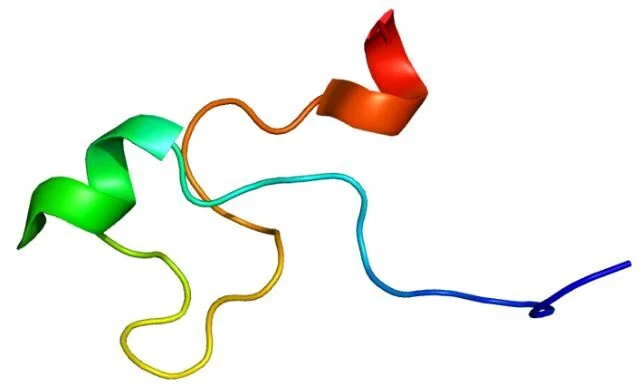
A scientific investigation spearheaded by academics at the University at Buffalo in New York has pinpointed the protein tristetraprolin (TTP) as a prospective therapeutic target for alleviating certain detrimental consequences of senescence.
“Enhanced TTP levels in aged rodents correlated with improvements in grip strength, locomotion, stamina, and overall physical capability,” explains biologist Keith Kirkwood from the University at Buffalo.
These findings do not constitute a clinical treatment and are a considerable distance from human application.
Nevertheless, they bolster the accumulating evidence suggesting the role of chronic inflammation in the body’s age-related decline.
“The implications of this research position TTP as a promising candidate for addressing the frailty and inflammation linked to aging, thereby facilitating broader therapeutic investigations,” the study’s authors write in their peer-reviewed publication.
Emw/Wikimedia Commons/CC BY-SA 3.0)
Projections indicate that nearly a quarter of the American population will be aged 65 or older by 2050, representing a substantial escalation from 58 million in 2022 to an estimated 82 million.
A significant proportion of individuals are anticipated to reach their nineties and beyond.
Factors contributing to this national and global demographic shift towards an older average and median age include declining fertility rates, advancements in medical science, and extended lifespans.
While increased longevity is often viewed favorably, a critical question arises: can healthcare systems adequately support aging demographics and assist individuals in maintaining their vigor, mobility, and autonomy in their advanced years?
One persistent challenge is the management of ‘inflammaging,’ characterized by a persistent, low-grade inflammatory state that tends to intensify with age.
“These age-associated physiological changes, termed immunosenescence, result in diminished immune responsiveness and heightened vulnerability to chronic inflammatory conditions prevalent in later life,” explains Kirkwood.
Employing a murine experimental model, the research team discovered that TTP plays a role in facilitating multiple protective mechanisms, including the downregulation of various cytokines.
Cytokines are protein messengers crucial for orchestrating immune responses; however, their prolonged or excessive activity can precipitate chronic inflammation.
TTP is synthesized in a diverse array of cellular types, encompassing dermal, muscular, neural tissues, and the connective tissues that provide structural integrity to the body.
Prior investigations have suggested a decline in TTP levels as individuals age, particularly within the immune system.
To ascertain the potential consequences of maintaining more stable TTP levels during aging, the researchers utilized a genetically modified mouse strain engineered to exhibit TTP stabilization and augmented expression due to a genetic deletion.
By enhancing TTP expression in elderly, 22-month-old male and female mice, the scientists observed a reduction in frailty and improvements in functional health metrics.
The TTP-stabilized mice exhibited superior physical performance across multiple parameters. They demonstrated increased grip strength, enhanced locomotion speed, greater capacity for sustained exercise on a treadmill, and heightened physical activity levels.
These observed benefits were more pronounced in the male subjects, with certain indicators, such as grip strength and treadmill endurance, mirroring those of significantly younger, 6-month-old mice.
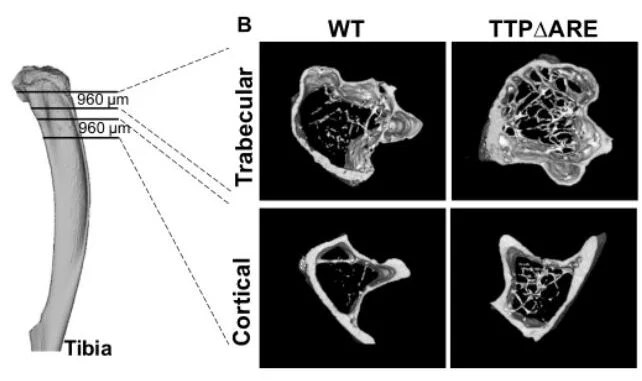
In comparison to control groups, the TTP-modified mice displayed augmented bone mineral density and thickness, indicative of a more robust skeletal micro-architecture.
“Their immune profiles presented as more characteristic of younger individuals,” states Kirkwood.
The extent of these performance enhancements and skeletal advantages was not uniform, being somewhat limited in female subjects.
The research team posits that this disparity might be partly attributable to the decline in estrogen levels experienced by female mice, given the crucial protective role of this hormone in musculoskeletal and neural tissues, as well as its influence on cytokine signaling pathways.
However, the development of human clinical trials remains a distant prospect. Efforts to identify pharmaceuticals that can elevate TTP have thus far been unsuccessful.
In the immediate future, the scientists intend to investigate the impact of TTP on age-related neuroinflammation associated with neurodegenerative conditions such as Alzheimer’s disease.
While the specific methodology employed to stabilize TTP in mice is not directly transferable to human therapies, the researchers propose that certain pharmacological interventions could achieve analogous outcomes.
These potential interventions include the utilization of small-molecule gene inducers, which function as regulatory switches to control gene expression.
Alternatively, phosphorylation modifiers can be employed to alter phosphate groups attached to proteins, thereby modifying their three-dimensional structure and functional properties.
“I maintain a positive outlook regarding the potential trajectory of this research and the insights we may gain as investigations progress over time,” affirms Kirkwood.
In summation, this study represents a compelling contribution to the array of anti-aging strategies currently under development.
Given that advanced age is intrinsically linked to heightened inflammation and compromised immunity, the emergence of novel therapeutic modalities is imperative for addressing a spectrum of chronic ailments associated with these factors, including conditions like arthritis.
Furthermore, within the United States, approximately 15 percent of older adults not residing in long-term care facilities exhibit frailty.
“A comprehensive understanding of the interconnected mechanisms linking inflammaging, immunological shifts, skeletal integrity, and frailty is fundamental for the design of targeted interventions aimed at enhancing the quality of life for aging populations,” concludes Kirkwood.